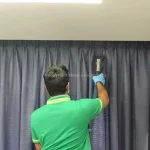


Hygiene in your home plays a significant role in maintaining clean, healthy indoor air. When your curtains accumulate dust, allergens, and pollutants, they become a hidden source of indoor air contamination, potentially triggering respiratory issues and allergies. You might not realize that these fabrics trap harmful particles that circulate every time you open or close them, making it crucial to keep your curtains clean for improved air quality and overall well-being. Understanding this connection helps you take proactive steps to breathe easier in your living space.
Key Takeaways:
- Dirty curtains accumulate dust, allergens, and pollutants that can degrade indoor air quality.
- Mold and mildew growth on damp curtains release spores contributing to respiratory issues and unpleasant odors.
- Regular cleaning of curtains helps reduce airborne contaminants, improving overall air freshness.
- Neglecting curtain maintenance can exacerbate allergy and asthma symptoms in sensitive individuals.
- Using washable or hypoallergenic curtain materials can minimize dust buildup and support healthier indoor air.
1. Dirty curtains trap dust and allergens, worsening air quality.
2. Accumulated mold on curtains releases harmful spores indoors.
3. Stains on curtains may harbor bacteria that affect breathing.
4. Neglected curtains contribute to increased indoor pollution levels.
5. Regular cleaning reduces allergens and improves respiratory health.
6. Freshly cleaned curtains promote cleaner, fresher indoor air.
The Invisible Threat: How Dust Accumulates on Curtains
Curtains act as magnets for dust particles that float through your home’s air. These particles, too small to see individually, settle deep within the fabric fibers over time. As you open and close curtains throughout the day, dust is continually stirred up, affecting your indoor air quality. The longer curtains go unwashed, the more embedded the dirt becomes, turning your window treatments into a hidden reservoir of allergens and pollutants that silently compromise your breathing environment.
Sources of Dust in Home Environments
Dust in your home comes from multiple sources, including skin cells, pet dander, soil tracked indoors, and fibers from clothing and upholstery. Outdoor pollution, pollen, and vehicle emissions also contribute. Everyday activities like walking, vacuuming, and cooking stir up these particles, dispersing them through the air and onto surfaces like your curtains. The combination of these varied sources makes maintaining low dust levels a constant challenge for improving your home’s air quality.
Factors Contributing to Curtain Dirtiness
The texture of curtain fabric impacts how much dust and allergens it collects — dense, textured materials trap particles more effectively. Placement near busy windows or doors increases exposure to outdoor pollutants and airborne dirt. Poor ventilation and high humidity promote the adhesion of dust while encouraging mold spores to settle. Additionally, rooms with heavy foot traffic or pets accelerate dirt accumulation on curtains. The accumulation of these factors determines how often you’ll need to clean your curtains to keep your indoor environment healthy.
Digging deeper into what causes curtain dirtiness, you’ll notice several key contributors intensify the problem. Synthetic fabrics often build up static electricity, attracting more dust and pollen. Kitchens add grease and smoke residues that cling stubbornly to fabrics near windows. Pet hair embeds itself alongside dander within curtain folds, complicating cleanup efforts. Environmental conditions like humidity foster mold and mildew growth, which not only soils curtains but releases spores harmful to respiratory health. The dynamic interactions between these elements dictate how quickly your curtains degrade in both appearance and air quality.
- Synthetic fabrics increase static buildup, attracting more dust and allergens.
- Proximity to kitchens deposits grease and smoke residues onto curtains.
- Pets contribute hair and dander that cling to fabric fibers.
- Humidity encourages mold and mildew growth on curtain materials.
The combined impact of these factors underscores the importance of regular curtain maintenance to sustain clean indoor air and a healthier household.
Curtains as Breeding Grounds for Allergens
Your curtains offer a perfect environment for allergens to accumulate and multiply, primarily because their fabric tends to absorb moisture and trap dust over time. This creates a haven for a variety of microscopic irritants that can significantly degrade the air quality in your home. Lack of regular cleaning accelerates this build-up, turning your once decorative curtains into hidden sources of indoor pollution that may be exacerbating symptoms of allergy or respiratory discomfort without your immediate knowledge.
Common Allergens Found in Dusty Curtains
Dust mites, pet dander, and fungal spores rank among the most common allergens nestled deeply within curtain fibers. A research study found that dust mite allergen levels in curtains can be as high as those found in carpets, emphasizing their potential to provoke allergic reactions. Additionally, pet hair attaches itself readily to fabric, and in humid conditions, mold can flourish, releasing spores that aggravate respiratory problems. Identifying these indoor culprits helps you understand why maintaining clean curtains is a direct step toward improving your home’s air quality.
The Impact of Allergens on Respiratory Health
Exposure to allergens trapped in your curtains can trigger a wide range of respiratory issues, especially for those with asthma or allergic rhinitis. Inhaling dust mite waste or mold spores often leads to sneezing, nasal congestion, coughing, and even bronchial irritation, significantly impairing breathing comfort. Over time, persistent allergen contact may increase airway inflammation and sensitivity, making your respiratory system more vulnerable to other irritants or infections. Regular cleaning reduces this risk by removing these invisible threats and promoting healthier air quality indoors.
Continued exposure to allergens in your curtains not only exacerbates immediate symptoms but can also contribute to long-term respiratory health decline. A 2018 study in the Journal of Allergy and Clinical Immunology revealed that environments with heavy dust mite contamination correlated with increased asthma attacks and medication use. You might notice that on days when curtains remain dusty or damp, breathing feels more labored or allergy symptoms intensify. Addressing curtain cleanliness thus becomes an crucial part of managing chronic respiratory conditions and supporting overall lung function.
The Connection Between Dirty Curtains and Indoor Air Pollutants
The surfaces of your curtains can become reservoirs for various indoor air pollutants, intensifying the issues caused by dust and allergens. Dust mites, pet dander, and even particulate matter from cooking or smoking settle into the fibers, creating a cocktail of irritants. Over time, these pollutants can off-gas or be released back into the room’s air, perpetuating contamination. This ongoing circulation exacerbates respiratory problems, especially for those sensitive to airborne irritants, linking the state of your curtains directly to the quality of air you breathe indoors.
Volatile Organic Compounds (VOCs) and Their Sources
VOCs are a group of chemicals that easily evaporate at room temperature, commonly emitted by household products like paints, cleaning agents, perfumes, and even synthetic curtains themselves. These compounds, such as formaldehyde and benzene, contribute to indoor air pollution and may cause headaches, dizziness, or irritation. Your curtains can collect these VOCs from the air, trapping molecules that wouldn’t settle on hard surfaces, and later release them back into the room, magnifying your exposure to these invisible but harmful chemicals.
How Curtains Can Absorb and Release Contaminants
Fabric curtains act much like sponges, absorbing moisture, airborne chemicals, and particulate matter continuously. Once contaminants like VOCs and allergens bind to the fibers, fluctuations in temperature and humidity can cause your curtains to emit these substances back into the air. For instance, elevated room temperatures in summer can boost the release of previously trapped VOCs, turning your window treatments into persistent sources of indoor pollution rather than barriers.
This absorption and desorption process means that curtains don’t simply hold contaminants passively; they actively influence indoor air quality over time. Studies show that polyester and nylon curtains, commonly used today, can retain significant amounts of formaldehyde and other VOCs from household sources. The off-gassing effect fluctuates with environmental conditions, leading to periodic spikes in pollution levels you might not immediately associate with your fabrics. Frequent laundering or choosing natural fibers like cotton can reduce this load, helping lower the cyclical release of harmful substances in your living space.
Strategies to Improve Indoor Air Quality by Maintaining Clean Curtains
Keeping your curtains clean directly reduces the buildup of dust, mold spores, and allergens that impair indoor air quality. Regular upkeep involves not only vacuuming but also washing curtains based on their fabric type and exposure to pollutants. You can significantly lower airborne contaminants by incorporating simple cleaning routines and choosing materials less prone to trapping pollutants, ultimately creating a fresher and healthier indoor environment.
Effective Cleaning Methods for Different Curtain Fabrics
Lightweight cotton and polyester curtains can typically be machine washed on gentle cycles using mild detergent, while heavier fabrics like velvet may require professional dry cleaning to avoid shrinkage or damage. For linen, spot cleaning followed by gentle hand washing works well. Meanwhile, synthetic blends often tolerate more robust cleaning but always check manufacturer guidance. Employing the right method preserves fabric integrity while maximizing allergen removal and enhances indoor air quality.
Frequency of Cleaning: Finding the Right Balance
Depending on your location and home conditions, washing curtains every three to six months often strikes an effective balance. Homes in dusty or pet-friendly environments might require more frequent cleaning, whereas spaces with minimal pollution may extend intervals. Adjust your schedule by monitoring visible dust accumulation and any allergic reactions, adapting to maintain consistently low levels of indoor airborne irritants.
Extending beyond routine, consider environmental factors like humidity and sunlight exposure when deciding cleaning frequency. High humidity encourages mold growth on fabric, warranting more regular washing to disrupt spore development. Similarly, prolonged sun exposure can degrade fabric but also helps inhibit microbial growth. You might also use anti-microbial sprays or fabric fresheners between washes to manage odor and particulates, especially in high-traffic rooms or those with pets and smokers, giving you more control over maintaining optimal indoor air quality.
Beyond Curtains: A Holistic Approach to Indoor Air Quality
Maintaining clean curtains positively impacts your indoor air, but it’s just one part of a broader strategy. Effective air quality management involves assessing ventilation systems, reducing sources of indoor pollution, and routinely cleaning fabrics and surfaces. Addressing multiple elements together, such as eliminating dust accumulation and moisture buildup, can significantly improve the overall environment in your home. Any single action, while helpful, becomes far more effective when integrated within a complete home care routine.
Integrating Curtain Maintenance into Overall Home Care
Your approach to keeping curtains clean should align with regular household cleaning practices like vacuuming floors, dusting furniture, and washing bedding. Curtains often collect the same types of allergens and pollutants found throughout other soft surfaces in your home. Scheduling curtain washing every 3 to 6 months complements your dust control efforts and prevents buildup of mold spores or pet dander. Any consistent maintenance plan that includes fabrics contributes directly to healthier air quality.
Other Factors That Influence Indoor Air Quality
Several other elements affect indoor air beyond curtains, including ventilation quality, levels of indoor humidity, presence of indoor plants, and the use of household cleaning products or candles. Appliances like gas stoves can release carbon monoxide and other pollutants if not properly vented. Any improvement to your home’s ventilation system, such as adding HEPA filters or enhancing airflow, can drastically reduce airborne irritants and create a fresher environment.
Exploring additional contributors offers insight into managing your home’s air quality:
- Ventilation: Proper air exchange reduces concentration of indoor pollutants.
- Humidity levels: Maintaining 30-50% humidity inhibits mold and dust mites.
- Household products: Choose low-VOC cleaners and avoid excessive candle burning.
- Indoor plants: Some plants like spider plants and peace lilies can absorb toxins.
- Heating and cooling systems: Regular filter changes prevent dirt recirculation.
Any step you take addressing these factors alongside regular curtain cleaning will compound your efforts towards a cleaner, healthier indoor atmosphere.
To Wrap Up
From above, you can see how dirty curtains significantly impact your indoor air quality by trapping dust, allergens, and pollutants that circulate in your living space. When you neglect regular cleaning, these contaminants increase your risk of respiratory issues and allergies. By maintaining clean curtains, you reduce airborne irritants, contributing to a healthier environment. Therefore, making curtain care part of your routine helps you breathe cleaner air and supports your overall well-being within your home.
Q: How do dirty curtains contribute to poor indoor air quality?
A: Dirty curtains can trap dust, pollen, pet dander, and other airborne particles. As air circulates through or around these fabrics, contaminants can be released back into the indoor environment, leading to increased allergens and pollutants in the air you breathe.
Q: Can mold grow on curtains and affect indoor air quality?
A: Yes, curtains that are exposed to moisture or high humidity may develop mold or mildew. Mold spores can become airborne and cause respiratory irritation or allergic reactions, thereby negatively impacting indoor air quality.
Q: How often should curtains be cleaned to maintain better air quality?
A: It is recommended to clean curtains every few months, depending on factors such as the amount of dust in your home, presence of pets, and local air quality. Regular washing or vacuuming helps reduce accumulated allergens and prevents contaminants from spreading.
Q: Are certain curtain materials better for maintaining cleaner indoor air?
A: Curtains made from synthetic fibers or tightly woven fabrics tend to trap fewer particles and are easier to clean compared to heavy, porous materials. Choosing curtains that are washable or can be easily maintained can help improve indoor air quality.
Q: Besides cleaning curtains, what other steps help improve indoor air quality regarding window treatments?
A: Besides regular cleaning, ensuring proper ventilation, using air purifiers, and opting for window treatments that do not easily harbor dust or moisture can help brighten indoor air quality. Avoiding excess moisture near windows and minimizing clutter around curtains also helps reduce pollutant accumulation.