


A floor cleaning service in Kajang may need to deal with more than one material in the same home or office. Tiled entrances, polished stone living areas, kitchen floors and other hard surfaces can each respond differently to moisture, cleaning products and physical agitation. A planned approach helps keep these areas cleaner while reducing the risk of using an unsuitable method on the wrong surface.
Why mixed-surface floors need a planned approach
Many properties do not have one uniform floor finish throughout the building. An office may have ceramic or porcelain tiles at the entrance, polished flooring in reception, and textured tiles in pantry or washroom areas. A home may combine tiled outdoor approaches, marble or other stone in selected rooms, and different tile finishes in kitchens and bathrooms.
These surfaces can vary in porosity, texture, sheen and resistance to cleaning agents. A product or process that is appropriate for a durable glazed tile may not be suitable for natural stone. Even within the same material category, a polished surface and a textured surface may require different attention. This is why floor care should begin with identifying the surface rather than treating every area in exactly the same way.
The main issues to identify first
- Surface material: Determine whether the area uses ceramic, porcelain, natural stone, marble or another hard flooring material.
- Finish: Note whether the floor is polished, matte, textured, honed or coated.
- Soiling: Separate loose dust, tracked-in dirt, food residue, water marks and heavier deposits.
- Condition: Look for dull patches, visible wear, damaged grout, loose tiles or areas that may need repair rather than cleaning alone.
- Use level: Entrance areas and corridors often receive more foot traffic than bedrooms, meeting rooms or low-use spaces.
Common floor surfaces found in homes and offices
Understanding the differences between surfaces makes it easier to plan the right type of cleaning. The table below provides a general starting point. It is not a substitute for checking the actual material and finish, especially when the surface is valuable, delicate or difficult to identify.
| Surface or area | Typical care consideration | What to check before cleaning |
|---|---|---|
| Ceramic or porcelain tile | Focus on removing surface soil and cleaning joints without leaving residue. | Tile finish, grout condition and textured areas that may hold dirt. |
| Marble or other natural stone | Use a material-conscious approach because stone can be affected by unsuitable products or aggressive treatment. | Stone type, polish, visible etching, dull patches and previous treatments. |
| Polished hard flooring | Protect the appearance of the finish and avoid processes that may leave streaks or alter the sheen. | Whether the polish is part of the material or a separate coating. |
| Textured or anti-slip tile | Pay attention to grooves and uneven areas where soil can remain after ordinary mopping. | Texture depth, grout lines and areas with concentrated traffic. |
| Kitchen or entrance flooring | Plan for tracked-in soil, spills and frequent contact with footwear. | Grease-like residue, water marks, edges and transitions between rooms. |
Planning floor cleaning for tiled areas
Tiles are widely used because they are practical for many residential and commercial areas, but a tiled floor still needs more than occasional mopping. Dirt can settle along grout lines, in textured finishes and around thresholds. Entrance floors may also collect soil from outside, while kitchen tiles can develop residue from spills and daily activity.
A useful plan starts with removing loose debris before applying moisture. This reduces the chance of spreading grit across the floor. The cleaning method should then reflect the tile finish and the condition of the grout. Smooth tiles may be easier to maintain, while textured or uneven tiles can require more detailed attention to recessed areas.
When a tile cleaning service may be useful
A professional tile cleaning service may be worth considering when ordinary maintenance no longer deals with embedded soil, when grout lines look noticeably darker, or when a large area needs consistent treatment. It can also be helpful before a property inspection, after renovation work, or when a high-traffic commercial space needs a more structured cleaning plan.
Before arranging service, describe the areas involved and identify any concerns such as delicate grout, damaged tiles, old coatings or persistent marks. Clear information helps the cleaning provider understand whether the request is routine floor cleaning, detailed tile care, or a combination of cleaning and surface restoration work.
Planning care for marble and other polished stone
Marble and polished stone should not automatically be treated like ordinary ceramic tile. Their appearance can be affected by the wrong cleaning product, rough handling or an unsuitable process. Marks that look like dirt may sometimes be etching, wear, surface dullness or a change in the finish rather than removable soil.
For this reason, a floor cleaning service should begin with a review of the material and its current condition. A cleaning request and a polishing request are related but not identical. Cleaning addresses soil and residue, while marble polishing is concerned with the appearance and condition of a polished surface. The appropriate scope depends on what is actually affecting the floor.
Questions to consider before marble polishing
- Is the floor simply dirty, or are there dull areas that remain after normal cleaning?
- Are there visible scratches, etch marks, chips or uneven patches?
- Has the surface previously been polished, sealed or treated?
- Are there different stone types or finishes in adjoining areas?
- Does the requested work cover cleaning, polishing or both?
It is sensible to discuss expectations clearly. Professional cleaning can address the condition that is suitable for the selected service, but no cleaning process should be assumed to remove every mark or correct damage that requires repair. A careful assessment helps distinguish removable contamination from permanent or structural changes.

How to organise a mixed-surface cleaning visit
When a property contains several floor materials, grouping the work by surface can make the cleaning plan easier to understand. It also gives the provider a clearer picture of which areas need cleaning, which may need polishing and which should be handled cautiously because of their condition.
- List every floor area. Note the rooms, approximate size and whether each area is tiled, marble, polished or another material.
- Mark high-use zones. Identify entrances, corridors, kitchens, reception areas and other places where soil accumulates most quickly.
- Record visible concerns. Include dullness, grout discolouration, water marks, residue, scratches or areas that appear different from the surrounding floor.
- Remove obstacles where possible. Small furniture and movable items can make access easier, while heavier items may need to remain in place.
- Discuss priorities. If the entire property cannot be addressed at once, decide whether entrances, shared areas or visibly worn sections should come first.
- Confirm the requested scope. Separate ordinary cleaning from tile-detailing, marble polishing or other floor-care requirements.
Preparing a Kajang home or office for floor care
Preparation does not need to be complicated, but it can improve access and reduce interruptions. In a home, residents can move small loose items, keep pets and children away from the work area, and point out surfaces that need special attention. In an office, it may help to identify meeting rooms, reception spaces and walkways that need to remain available or be cleaned in a particular order.
Share relevant information before the visit. This may include recent renovation work, a previous cleaning treatment, a floor coating, known damage or uncertainty about the material. If the property has both marble and tile, make that clear rather than describing the entire floor as one surface. These details support a more accurate discussion about the service required.
What to ask a floor cleaning provider
- Can the provider assess different floor materials separately?
- Does the requested service include floor cleaning, tile cleaning, polishing or a combination?
- How should delicate, damaged or previously treated areas be identified?
- What access and preparation will be needed from the homeowner or office manager?
- Are there areas that should be excluded because they require repair or specialist restoration?
- What maintenance steps should be followed after the work?
Routine maintenance between professional visits
A professional floor cleaning service can form part of a wider maintenance routine, but everyday care still matters. Removing loose dust regularly helps limit the amount of grit moved across the surface. Promptly dealing with spills can also reduce residue and prevent a small affected area from becoming a larger cleaning task.
Use cleaning products according to the material and manufacturer guidance. Avoid assuming that a stronger product will produce a better result. On polished stone in particular, unsuitable products may affect the finish. For tiled floors, pay attention to grout and textured sections rather than focusing only on the centre of each tile.
Simple habits for mixed floors
- Use suitable mats at entrances where practical, and keep them clean.
- Remove loose grit before wet cleaning.
- Deal with spills using a method appropriate for the surface.
- Do not use one unverified product across tile, marble and polished areas.
- Check grout, edges and transitions between different floor materials.
- Keep a note of treatments or products used on polished and stone surfaces.
Choosing a local floor cleaning service in Kajang
When comparing a floor cleaning service in Kajang, look beyond a general promise to make the floor look cleaner. A suitable provider should be able to discuss the different surfaces in the property and clarify whether the work involves floor cleaning, tile cleaning, marble polishing or another type of care. Clear communication is particularly important when a single visit covers both residential and office areas with different finishes.
Kleen Asia Carpet Cleaning & Upholstery Cleaning presents floor cleaning and polishing services, including marble polishing and related tile cleaning and polishing solutions. The business lists Kajang among its supported locations. Customers can describe the property, surfaces and areas of concern to determine which service information is relevant to their needs.
The best starting point is a specific description: for example, tiled ground-floor areas with marked grout, a polished marble room with dull patches, or a mixed office floor requiring separate attention by zone. This gives the provider useful context without assuming that every surface needs the same treatment.
Final checklist for mixed-surface floor care
Before booking or planning work, use this checklist to keep the request focused:
- Have all floor materials and rooms been identified?
- Have high-traffic and visibly affected areas been prioritised?
- Have cleaning needs been separated from polishing or repair concerns?
- Has any previous treatment, coating or damage been mentioned?
- Have access, furniture and scheduling requirements been considered?
- Have maintenance expectations been discussed without assuming guaranteed results?
A thoughtful plan helps homes and offices in Kajang manage tiled, marble and polished areas more consistently. By treating each surface according to its material, finish and condition, property owners can have a clearer conversation with a floor cleaning provider and choose care that matches the actual needs of the space.
Frequently asked questions
What does a floor cleaning service usually cover?
The scope depends on the floor materials and the provider’s service description. It may involve cleaning hard floor surfaces, with related options for tile cleaning, marble polishing or floor polishing. Confirm the exact areas and requested work before arranging a visit.
Can tile and marble floors be cleaned during the same visit?
They may be included in the same overall project, but they should not automatically be treated as identical surfaces. Tell the provider which areas are tiled and which are marble so each section can be assessed and discussed separately.
Is marble polishing the same as marble cleaning?
No. Cleaning focuses on soil and residue, while polishing relates to the appearance and finish of the stone. A dull or marked area may need assessment to determine whether cleaning, polishing, repair or another treatment is appropriate.
How should I prepare my Kajang home for floor cleaning?
Remove small movable items where possible, identify delicate or damaged areas, and keep children and pets away from the work zone. Share details about the floor material, previous treatments and the areas that need priority attention.
Do offices need a different floor cleaning plan from homes?
The principles are similar, but offices may have larger shared areas, reception zones, corridors and different traffic patterns. A plan should consider access, business activity and the separate materials used in each part of the premises.
Can a floor cleaning service remove every stain or mark?
Results depend on the material, the type of mark, its age and the condition of the surface. Some marks may be removable soil, while others may be etching, wear or damage. A provider should assess the area rather than guarantee a particular result.
Related posts:
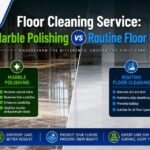 Floor Cleaning Service: Marble Polishing vs Routine Floor Cleaning
 Marble Polishing Services Near Me: Questions to Ask Before Booking
 Floor Cleaning Service in Petaling Jaya: Planning Care for Mixed Marble and Tile Areas
 Marble Polishing for Office Lobbies: What Surface Details Should You Record First?