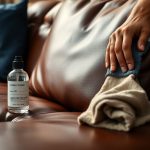


Moving into a new rental with a pre-owned sofa can raise practical questions: When was it last cleaned? Are the marks only on the surface, or has dirt worked into the fabric? A sofa cleaning service can help refresh heavily used upholstery, but a careful inspection should come first. This checklist explains what tenants should look for, what information to collect and how to prepare the sofa before booking professional cleaning.
Why inspect the sofa before unpacking?
A sofa is often one of the first furnishings used in a new home, yet it may have been exposed to years of skin contact, food spills, dust and everyday wear. A quick visual check can reveal obvious stains, damaged seams or areas that need special attention. It also gives you a clearer record of the sofa’s condition when you move in.
For tenants, timing matters. It is usually easier to arrange cleaning before the sofa is surrounded by boxes, cushions, rugs and other furniture. Cleaning before regular use also means you can discuss existing marks with the landlord or agent instead of assuming that every problem is your responsibility.
The tenant’s sofa cleaning service checklist
1. Record the sofa’s condition
Before cleaning, take clear photographs of the sofa from different angles. Include close-ups of stains, faded areas, scratches, loose threads, cracked leather, sagging cushions and damaged legs. Use natural light where possible, and keep the images with your move-in documentation.
Do not describe an old stain as new simply because you have not seen it before. If the sofa was included with the rental, send the photographs to the landlord or property manager and ask them to confirm that the condition has been noted. This step is useful for general tenancy records and is separate from the cleaning itself.
2. Identify the upholstery material
Different upholstery materials can react differently to moisture, heat and cleaning products. Look for a care label beneath the cushions, on the underside of the sofa or along the frame. The label may identify the fabric or provide cleaning instructions. If there is no label, note the material’s appearance and texture without guessing.
Common materials include woven fabric, velvet-like textiles, synthetic upholstery, microfibre and leather. Removable covers may have their own washing instructions, but a removable cover should not automatically be placed in a washing machine. Shrinkage, colour transfer or changes in texture can occur if the care instructions are ignored.
| What to check | Why it matters | What to record |
|---|---|---|
| Care label | Shows handling or cleaning guidance | Symbols, material and restrictions |
| Fabric or leather type | Helps determine a suitable cleaning approach | Visible texture, finish and colour |
| Removable covers | May require separate care | Which parts can be removed |
| Stains and odours | Highlights areas needing assessment | Location, appearance and possible source |
| Damage | Cleaning may not repair physical defects | Tears, loose seams, cracks or broken parts |
3. Check every part, not just the seat
Tenants often inspect the seat cushions and overlook the back, arms, sides and lower skirt. Dust and marks can collect in less visible areas, especially where the sofa touches a wall or where cushions meet the frame. Check underneath removable cushions, around piping and inside folds.
Look for crumbs, hair, loose debris and signs of moisture. Also inspect the back of the sofa if it was previously positioned against a wall. A musty smell, damp area or visible mould-like growth should be reported to the landlord or property manager promptly. Cleaning upholstery does not resolve an underlying moisture problem, and a professional should be told about any concern before work begins.
4. Separate surface dirt from physical damage
Not every visible problem is a cleaning problem. Surface dust, food residue and some everyday marks may be suitable for cleaning assessment. However, sun fading, worn fabric, peeling finishes, broken stitching, foam deterioration and permanent discolouration may remain after cleaning.
Make a simple two-part note: “needs cleaning assessment” and “needs repair or landlord decision.” This prevents unrealistic expectations and helps you explain the sofa’s condition accurately when requesting sofa deep cleaning services.
Questions to ask before booking a sofa cleaning service
What details should you provide?
Give the cleaner useful information before an appointment or quotation is discussed. Explain whether the sofa is fabric or leather, how many seats it has, whether cushions are removable and what type of marks are present. Photographs can make this conversation more practical, particularly when the sofa is large or difficult to move.
Also mention any known sensitivities to fragrance or cleaning products, pets in the home and access limitations such as narrow lifts, stairs or restricted parking. These details do not determine the result, but they help the service provider understand the job and discuss suitable arrangements.
Which cleaning method will be used?
Ask how the upholstery will be assessed and cleaned, rather than selecting a method based only on a label such as “deep clean” or “steam clean.” The appropriate process can depend on the material, construction, colourfastness, soil level and care instructions.
A responsible discussion should also cover whether a small test area is appropriate, how delicate sections will be handled and what preparation is required. No cleaning method should be treated as a guarantee that every stain or odour will disappear. The condition of the fabric and the age of the mark can affect the outcome.
What should you confirm about drying?
Moisture management is especially relevant in a rental home. Ask what you should do after cleaning, such as keeping the area ventilated, avoiding use until the upholstery is ready and moving items away from the sofa. The exact drying period can vary, so do not rely on a fixed promise.
Plan the cleaning when household activity can be reduced. If the sofa is cleaned immediately before guests arrive, people may sit on it before it is ready. Give the fabric adequate time according to the provider’s instructions, and keep children and pets away from treated or damp areas as appropriate.
When professional cleaning is more suitable than DIY
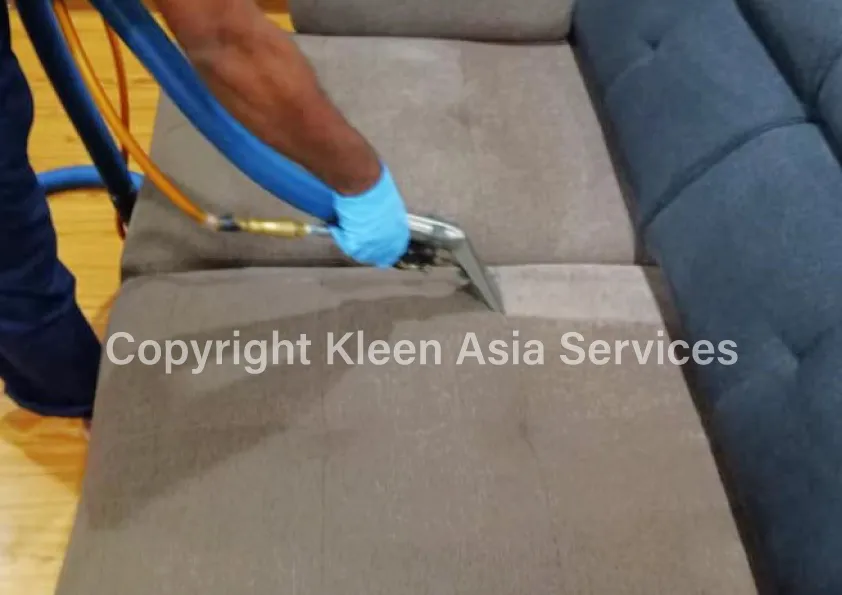
DIY maintenance can be useful for loose surface debris, but a pre-owned sofa may need a more careful assessment than a quick wipe. Professional help is worth considering when the upholstery has widespread soiling, several old stains, persistent odours, delicate construction or a large number of cushions.
It can also be a sensible choice when you do not know the material or previous cleaning history. Using the wrong product may spread a stain, affect colour or leave residue. Before attempting any home treatment, read the care label and test an inconspicuous area if the instructions allow it. Avoid soaking the sofa or combining cleaning chemicals.
- Use a vacuum attachment to remove loose dust and debris without aggressive scrubbing.
- Blot fresh spills with a clean, absorbent cloth instead of rubbing them deeper into the fabric.
- Keep food and drinks away from the sofa while you are still documenting its condition.
- Do not apply bleach, strong solvents or an unlabelled product to upholstery.
- Stop DIY treatment if the colour transfers, the fabric becomes sticky or the surface changes.
Preparing the sofa and room for cleaning
Clear the immediate area
Remove throws, books, toys, remote controls and personal items from the sofa. Take off cushions and place them where they will not pick up dust or obstruct access. If the sofa is against a wall, ask whether it should be moved slightly so the sides and rear can be assessed.
Protect nearby items from accidental contact with moisture or cleaning products. Keep electrical cables, delicate decorations and valuable belongings away from the work area. In an apartment, check whether building management has rules about service access, lifts or water disposal, and communicate those requirements in advance.
Make a written stain and odour list
A written list is more useful than a general request to “clean everything.” Note the location of each mark and, if known, what caused it. For example, record food residue on an armrest, a drink mark on a seat cushion or an odour concentrated near one section.
Be honest about previous attempts. Tell the provider if a stain has already been treated with detergent, disinfectant or another product. Earlier treatment can affect how the upholstery responds, and accurate information supports a safer assessment.
Confirm the landlord’s expectations
If the sofa belongs to the landlord, ask whether they have a preferred cleaner, care requirement or approval process. Keep written communication about pre-existing damage and the cleaning request. If the sofa belongs to you, review any building access rules before arranging a service.
Cleaning is not the same as restoration. A professional sofa cleaning service may improve the cleanliness and appearance of suitable upholstery, but it cannot be assumed to repair tears, replace foam, reverse fading or correct structural damage. Ask for the condition and likely limitations to be explained before work begins.
How to judge whether the sofa is ready for use afterwards
Follow the provider’s instructions rather than judging readiness by appearance alone. Check that the sofa is adequately dry, that cushions are returned in the correct positions and that the room has suitable ventilation. If you notice unusual dampness, colour change or an unexpected reaction, contact the service provider and avoid further treatment until the issue is assessed.
Once the sofa is ready, establish simple habits that reduce future build-up. Vacuum accessible areas regularly, respond to spills promptly and avoid placing sharp objects on the upholstery. Use removable throws only when they are compatible with the sofa and do not hide new damage from view.
Should tenants clean other fabric furnishings too?
A sofa is only one of several fabric surfaces brought into daily contact with household members. If the rental includes a mattress, curtains, rugs or carpets, inspect those items during the same move-in process. Look for odours, visible marks, dust accumulation, dampness and damage, and document their condition separately.
Kleen Asia Carpet Cleaning & Upholstery Cleaning provides sofa and upholstery cleaning as well as carpet, mattress, curtain and rug cleaning services for homes and offices in Kuala Lumpur and Selangor. Tenants can ask about the relevant service for each furnishing and provide the material, condition and access details needed for a specific assessment.
A practical booking checklist
- Photograph the sofa before cleaning or regular use.
- Notify the landlord or agent about pre-existing stains and damage.
- Check the care label and identify removable parts.
- List stains, odours and areas of heavy use.
- Share photographs and sofa details with the cleaning provider.
- Ask about the proposed approach, testing and known limitations.
- Clear the work area and arrange suitable access.
- Follow post-cleaning guidance about ventilation and use.
- Update your rental records after the sofa has been cleaned.
FAQ: Sofa cleaning for tenants
Should I arrange a sofa cleaning service before moving my belongings in?
Often, that is more convenient because the sofa and surrounding area are easier to access. First document its condition and obtain any approval required from the landlord or property manager.
Can a sofa cleaning service remove every old stain?
No result should be guaranteed in advance. Stain age, substance, fabric type, previous treatment and fading can all affect what cleaning achieves. Ask for a realistic assessment.
Is sofa deep cleaning safe for every type of upholstery?
Not necessarily. The material, care label, construction and condition should be considered before choosing a process. Do not assume that a method suitable for one sofa is suitable for another.
What if the sofa smells damp or musty?
Document the smell and report it to the landlord or property manager. A possible moisture source should be investigated rather than covered with fragrance or treated as an ordinary surface stain.
Can professional cleaning repair torn or peeling upholstery?
Cleaning addresses soil and some surface contamination; it is not the same as upholstery repair or restoration. Record physical damage separately and ask the owner how it should be handled.
What information should I send when requesting sofa cleaning?
Provide photographs, the sofa’s approximate size, material or care-label information, removable-cushion details, stain locations, odour concerns and any access restrictions.
Does Kleen Asia provide sofa cleaning in rental homes?
Kleen Asia Carpet Cleaning & Upholstery Cleaning presents sofa and upholstery cleaning services for customers in Kuala Lumpur and Selangor. Contact the company for specific service details and arrangements for your sofa.