A flooded carpet is often only one part of a larger water-exposure problem. Water can reach the carpet backing, furniture legs, sofa fabric, rugs, mattresses and hard flooring at different rates, so treating the whole room as one cleaning task can create confusion. A better approach is to separate the affected items into carpet, upholstered furniture and floor-care needs before deciding what should be cleaned, moved, assessed or replaced.
Why a flooded carpet needs a room-by-room assessment
Carpet is made from several layers, including the visible fibres, backing and underlay in many installations. Water may remain below the surface even when the top feels less wet. Furniture can also trap moisture where its feet, base or upholstery meets the carpet. Meanwhile, a tile, stone or other hard floor may need a different cleaning approach from a textile surface.
This is why a single request such as “clean the room” may not describe the situation clearly enough. The source of the water, the length of exposure, the materials involved and the condition of each item all affect the next step. Separating the needs helps you explain the problem accurately and prevents unsuitable cleaning methods from being applied to unrelated materials.
| Area or item | What to examine | Typical care question |
|---|---|---|
| Carpet | Surface, backing, underlay, edges and trapped moisture | Does the carpet need professional assessment or flood carpet cleaning? |
| Sofa or upholstery | Fabric, cushions, frame, underside and contact points | Has water reached the filling or only the outer fabric? |
| Rug | Fibres, backing, colour stability and damp underside | Can the rug be handled separately from the room carpet? |
| Hard floor | Tile or stone surface, grout, joints and residue | Is floor cleaning needed after furniture and carpet are removed? |
| Mattress or fabric furnishing | Outer cover, inner material and lower edges | Has the item been exposed directly or only to humid conditions? |
Start by separating the water-exposed zones
Begin with a simple map of the affected space. Mark which areas were directly covered by water, which areas were splashed or dampened, and which areas were nearby but appear dry. Note whether the carpet is wall-to-wall, a loose rug or a removable mat. Also identify furniture that was standing on the carpet during the exposure.
Do not assume that an item is unaffected just because its upper surface looks dry. The underside of a rug, the bottom of a sofa, the carpet beneath furniture and the edges beside a wall may hold moisture for longer. At the same time, do not assume that every item in the room requires the same treatment. A clear separation makes the assessment more practical.
Use three simple categories
- Directly affected: items or surfaces that came into contact with water.
- Indirectly affected: items exposed through damp contact, splashing, residue or prolonged humidity.
- Not visibly affected: nearby items that should still be checked before being returned to the area.
This classification is useful when speaking with a cleaning provider. Instead of describing the room as generally wet, you can explain that the wall-to-wall carpet was directly affected, one sofa had wet contact points and a loose rug was damp underneath. That information helps the provider understand that several materials may require separate consideration.
How to organise flooded carpet cleaning needs
Carpet should be considered as more than a soft surface. Check the visible pile, edges, seams, backing and the area underneath movable furniture. If the carpet is installed over underlay, moisture may have travelled below the surface. A carpet that feels only slightly damp on top may still need a closer assessment.
Keep notes on the type of carpet if you know it, whether it is fixed or removable, and whether the water was clean-looking or carried visible dirt or residue. Avoid applying random household chemicals or repeatedly soaking the carpet while trying to improve its appearance. Different fibres, backings and dyes can respond differently to cleaning products and moisture.
Questions to record about the carpet
- Was the carpet loose, rug-like or fixed to the floor?
- Which sections were directly exposed?
- Was water present beneath the carpet or only on the surface?
- Are the edges, seams or underlay damp?
- Is there visible soil, residue, staining or an unusual smell?
- Was furniture sitting on the carpet during the exposure?
These details do not determine the result in advance, and professional cleaning cannot guarantee that every mark, odour or change will disappear. They do, however, create a more useful description for a flood carpet cleaning enquiry. A provider can then advise whether the carpet is an appropriate cleaning candidate and what information is needed before service.
Separate rugs from installed carpet
A loose rug should be treated as its own item rather than as an extension of the room carpet. It may be moved, examined on both sides and handled separately. The fibres, backing, dyes and construction can differ from the installed carpet, even when both appear similar.
If the rug is heavy, saturated or difficult to move safely, avoid dragging it across the floor. Record whether moisture reached the underside and whether the rug was lying on another carpet or directly on a hard floor. Kleen Asia Carpet Cleaning & Upholstery Cleaning lists rug carpet cleaning with pickup and delivery, so customers can ask about the appropriate arrangement for a water-exposed rug rather than assuming that on-site treatment is suitable.
Assess sofas and upholstered furniture separately
Upholstered furniture has several layers that may react differently to water. The outer fabric may appear acceptable while moisture has reached the cushion filling, frame, webbing or underside. Sofa legs can also transfer dampness to the carpet, and the carpet beneath a low sofa may receive little airflow.
Separate removable cushions from the sofa only if they can be moved without causing damage or creating a safety problem. Keep track of which cushions belong to which seat, and inspect seams, piping, zips, underside panels and contact points. If the furniture has a care label, retain that information for the cleaning provider. Materials such as fabric, leather, coated upholstery and wood components should not be treated as interchangeable.
When sofa cleaning is a different need
Sofa cleaning focuses on upholstery rather than the carpet beneath it. Even when both were exposed during the same incident, they may need separate inspection and cleaning decisions. The provider may need to know whether water reached the cushions, whether the sofa remained in place and whether visible residue is present on the fabric.
Kleen Asia Carpet Cleaning & Upholstery Cleaning provides sofa and upholstery cleaning for homes and offices in Kuala Lumpur and Selangor. Customers can describe the sofa material, affected sections and relationship to the flooded carpet when asking about service. This is more precise than requesting carpet cleaning alone when the furniture has also been exposed.

Check mattresses, curtains and other fabric items
Not every fabric item in a room has the same level of exposure. A mattress may be directly affected if it was placed on a wet floor, while curtains may only have been exposed to increased humidity or splashing near a window. A fabric chair, cushion or ottoman may have wet feet or a damp underside without obvious marks on top.
List each item separately and describe the part that was affected. For a mattress, note whether moisture reached the underside or base. For curtains, check the lower edge and whether the fabric touched the floor. For removable cushions, identify whether the cover and inner filling were both exposed. These details help distinguish a carpet-cleaning enquiry from a mattress, curtain or upholstery-cleaning enquiry.
| Item | Useful details to provide | Why it should be separated |
|---|---|---|
| Sofa | Fabric type, cushions, legs, underside and affected sections | Upholstery and internal filling may need separate consideration |
| Mattress | Top, sides, underside, base and direct water contact | A mattress is a thick fabric furnishing, not a floor covering |
| Curtains | Lower edge, lining, contact with floor and visible marks | Hanging fabric has different handling and care requirements |
| Cushions or rugs | Cover, filling, backing and ability to move safely | Small removable items may be handled separately from fixed pieces |
Separate hard-floor cleaning from carpet care
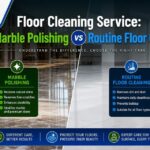
Once carpet and movable fabric items are identified, examine the exposed floor beneath and around them. Tile, stone, marble and other hard surfaces may collect soil, residue or moisture along grout lines, joints and edges. The correct floor-care need may be cleaning, polishing, residue removal or a combination of tasks, depending on the material and condition.
Do not use carpet products on a hard floor simply because both surfaces were affected by the same water. A product or method suitable for textile fibres may be unsuitable for stone, tile, grout or polished surfaces. Note the floor material if known, identify any visible residue and describe whether furniture was resting on it.
When floor cleaning becomes a separate request
Floor cleaning may be relevant after a rug or carpet is removed, especially if the exposed surface has marks or residue. It may also be needed around furniture feet and along the perimeter of the affected area. For stone or tile surfaces, ask specifically about the available floor-care service rather than assuming that a general carpet-cleaning appointment includes polishing or hard-floor treatment.
Kleen Asia Carpet Cleaning & Upholstery Cleaning lists floor cleaning and polishing services, including marble and tile-related floor care. The surface material and condition should be described before service so the request is matched to the correct type of work.
A practical order for sorting the room
Organising the room does not mean attempting every cleaning step yourself. It means creating a clear sequence and separating materials before they are moved or treated. If electrical equipment, structural damage, contaminated water or unsafe conditions are involved, keep people away from the affected area and seek appropriate professional guidance.
- Make the area safe. Keep children and pets away from wet surfaces, and avoid handling electrical items in or near water.
- Identify the water-exposed boundaries. Mark direct contact, splash areas and nearby spaces that appear dry.
- Separate movable items where it is safe. Include rugs, cushions and small furnishings, while avoiding heavy lifting or dragging.
- Inspect contact points. Check carpet beneath furniture, sofa legs, rug backing, floor edges and lower curtain hems.
- Group items by material. Keep carpet, upholstery, mattresses, curtains, rugs and hard flooring as distinct care categories.
- Write a clear service description. Include the item, affected section, material, visible condition and whether moisture reached the underside.
- Ask about suitability. A cleaning provider can explain what can be assessed or cleaned and what information is needed first.
This process also helps avoid an incomplete appointment description. For example, “flooded carpet in the living room, sofa legs affected, loose rug damp underneath and tiled floor showing residue” is more useful than “water damage cleaning.”
What to include in a flood carpet cleaning enquiry
A concise enquiry should cover the room, materials and exposure without making assumptions about the final result. Include your general location, such as Kuala Lumpur or Selangor, and state whether the property is a home or office. Then list each affected category separately.
- Type of carpet and whether it is fixed or removable.
- Approximate affected area or number of carpeted rooms.
- Whether the underlay, edges or backing may be damp.
- Furniture that remained on the carpet during exposure.
- Whether sofa cushions, mattresses, curtains or rugs were also affected.
- Hard-floor material and any visible residue or marks.
- Photos or other details requested by the cleaning provider.
Kleen Asia Carpet Cleaning & Upholstery Cleaning offers carpet, sofa and upholstery, mattress, curtain, rug and floor-cleaning services for customers in Kuala Lumpur and Selangor, with listed locations that include Putrajaya and Cyberjaya. The service needed will depend on the item and its condition, so describing the categories separately is the most useful starting point.
Common mistakes when several materials are affected
Treating every item as carpet
A sofa cushion, mattress and rug may all feel soft, but their construction and care requirements differ. Calling everything “carpet” can lead to an incomplete assessment and may leave important details out of the enquiry.
Moving heavy furniture without planning
Dragging a wet sofa or cabinet can spread moisture, damage the floor or strain the person moving it. If an item is too heavy or unstable, describe its position instead of trying to relocate it without suitable help.
Ignoring the underside
Surface appearance is not a reliable description of the whole item. Check accessible undersides, backing, seams, edges and contact points, but do not dismantle furniture or flooring merely to inspect hidden areas.
Using one product on every surface
Carpet fibres, upholstery fabrics, mattress materials, curtain linings, tile and stone can require different care. Avoid assuming that a household cleaner is suitable for all of them.
Frequently asked questions
What should I clean first after a carpet is flooded?
Start with safety and identification rather than a universal cleaning order. Separate the carpet, movable rugs, upholstered furniture and hard flooring, then describe the direct and indirect exposure for each.
Is a flooded carpet the same as a flooded rug?
No. A fixed carpet and a loose rug may have different backing, construction and handling requirements. A rug can usually be assessed as a separate item, including its underside and ability to be moved safely.
Does sofa cleaning cover the carpet underneath the sofa?
Not necessarily. Sofa cleaning concerns the upholstery, while the carpet beneath it is a separate surface. Mention both needs when requesting an assessment.
Should I include the floor in a flood carpet cleaning enquiry?
Yes, if the floor was exposed or has visible residue. State whether it is tile, stone, marble or another material so floor-care needs can be considered separately from carpet cleaning.
Can a mattress or curtain be included with a flooded carpet request?
They should be listed separately. Explain which part of the mattress or curtain was exposed, because fabric furnishings and hanging fabrics may require different handling from floor coverings.
Can professional cleaning guarantee that every mark or odour will be removed?
No cleaning provider should promise a specific result without assessing the material and condition. Water exposure, residue, dyes, backing and the length of time dampness remained can all affect the appropriate treatment and outcome.