


Sameday curtain cleaning in KL isn’t just a luxury – it’s a real fix when guests are coming or allergies are flaring. You’re not imagining that layer of dust – your curtains trap pollutants, pet dander, and smoke residue every single day. And yes, some companies can have them cleaned, steamed, and back on your rods within hours. But not all services deliver on the promise – some cut corners, others charge hidden fees. Let’s break down exactly what you’re getting when you hit “book now”. When your curtains suddenly need a deep clean before guests arrive, an event, or a move-in, finding a reliable curtain cleaning service KL homeowners can call quickly can make all the difference. Professional same-day curtain cleaning offers a convenient way to remove accumulated dust, allergens, odors, and everyday dirt without the hassle of taking your curtains down. With on-site steam extraction cleaning, your curtains can be professionally refreshed while still hanging, making it a practical solution for busy homes and offices across Kuala Lumpur.
Seriously, your curtains are way dirtier than you think
How they’re basically giant magnets for dust and KL smog
Your curtains hang there quietly, but they’re working overtime as air filters. Every breeze from the street carries fine particles-dust, pollen, even vehicle exhaust-and your drapes trap it all. In a city like KL, where traffic fumes linger and construction dust floats, your windows aren’t just views. They’re collection points. That soft fabric you love? It’s basically a sponge for urban grime.
Mold spores love humidity, and your curtains are soaked in it-especially during KL’s rainy spells. Over time, that moisture breeds invisible trouble. Pet dander, dead skin cells, and even microscopic mites settle deep in the weave. You can’t always see it, but your nose knows. If you wake up sneezing every morning, your curtains might be the real culprit.
One mid-sized SaaS firm in Mont Kiara reported fewer employee sick days after switching to monthly curtain cleaning-turns out, indoor air quality matters more than anyone thought.
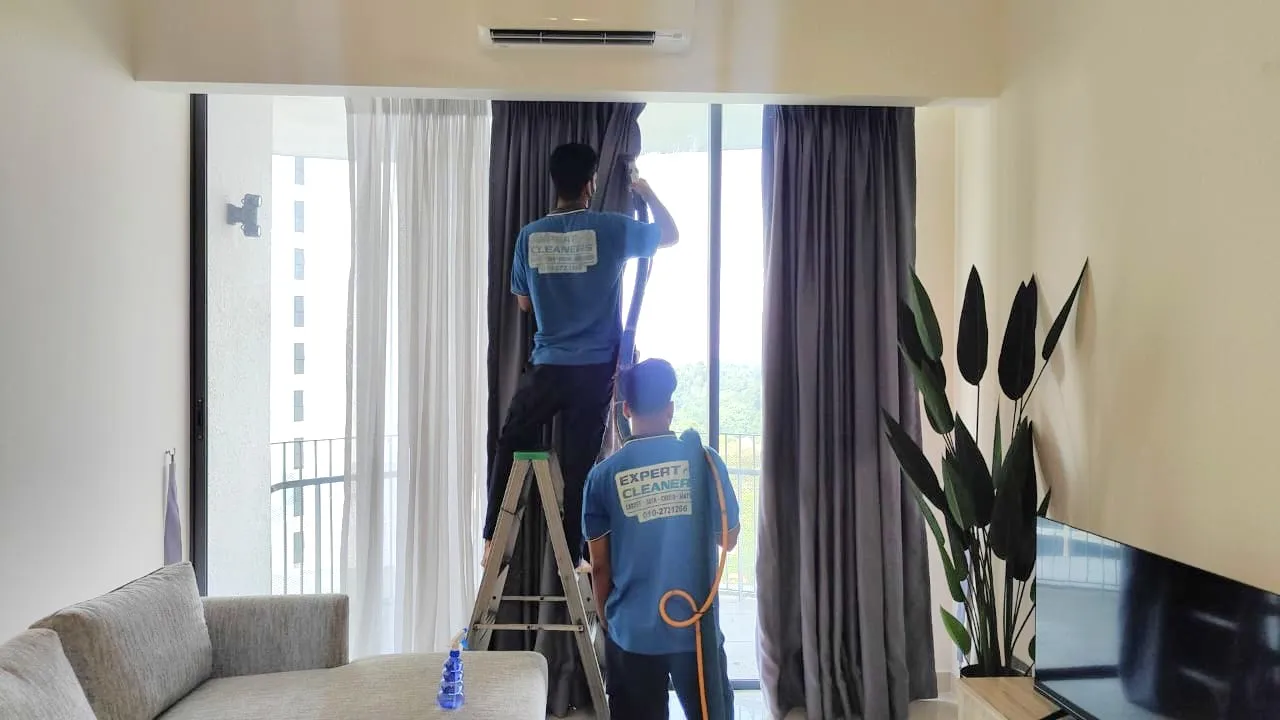
Signs you’ve waited way too long and need a pro right now
Notice a dull, grayish film even after vacuuming? That’s not just dust-it’s years of buildup. If your curtains feel stiff or smell musty when closed, they’re past DIY help. Visible discoloration near the edges or a lingering stale odor means mold or bacteria have already taken hold. Time’s up.
A client in Bangsar waited nine months-by the time they called, the lining was permanently stained and the fabric had started to degrade from trapped moisture.
My take on picking a KL cleaning pro who won’t let you down
Trust matters more than flashy ads. I’ve seen too many people get burned by cleaners who promise the moon but leave behind damp fabric and half-set stains. A solid company shows up on time, answers your questions clearly, and doesn’t pressure you into upsells. They’ll ask about your curtain material – because yes, velvet is not the same as cotton – and adjust their method accordingly.
Word-of-mouth still beats online reviews. That friend who raved about a team last monsoon season? Their recommendation probably came from real experience, not a paid testimonial. Look for pros who’ve stuck around in KL for years – the market’s crowded, so longevity means something.
The big questions you’ve gotta ask before they show up
Ask if they bring their own equipment. Some outfits claim “same-day service” but then say they need to wait for gear to arrive – that’s a red flag. You want to know exactly what’s coming into your home. Do they use steam or solvent-based cleaning? Each has pros and cons depending on your fabric.
Find out how many technicians are assigned to your job. A one-person team might struggle with heavy drapes in a high-rise condo. And always confirm whether the quoted price includes removal and rehanging – some skip it unless you ask.
How to figure out if their price and timing are actually legit
Compare quotes, but don’t automatically pick the cheapest. One company might quote RM180 for “express cleaning” but exclude labor for taking down curtains. Another charges RM250 flat – includes everything. The first isn’t a bargain if you end up paying more later. Real transparency means no surprise fees at the door.
Timing claims need reality checks. “We’ll be done in two hours” sounds great – unless your living room has floor-to-ceiling triple-layer drapes. Ask for a time range based on your actual setup, not a one-size-fits-all promise.
A mid-sized SaaS firm wouldn’t trust its servers to the lowest bidder – why treat your home differently? A cleaner who takes ten minutes to assess your curtains probably isn’t planning a thorough job.
Red flags that mean you should probably run the other way
If they won’t give a written estimate over WhatsApp or email, walk away. Verbal promises vanish when things go wrong. Also, watch for vague language like “we’ll see when we get there” or “depends on what we find.” That’s not flexibility – it’s a setup for price creep.
No insurance? That’s your risk if they damage your tracks or stain your walls. Any legit business carries liability coverage and won’t hesitate to show proof. If they dodge the question, they’re not worth the gamble.
One client I know hired a same-day crew that showed up in a beat-up van with no logo. They left water pooling on the sill – warped the wooden floor underneath. Repair cost more than the cleaning would’ve with a proper service.
Getting your place ready so things go smoothly
Clear the space around your windows-simple, right? But so many people forget how much easier it is for the crew when furniture’s moved and pathways are open. You’d be surprised how fast a cluttered living room slows everything down. And if you’ve got a Curtain dry cleaning delivery service coming, they’ll appreciate not having to duck around coffee tables and potted plants.
Have your curtains labeled if they’re coming down from different rooms. A small sticky note with “living room left” or “bedroom 2” saves confusion-and prevents mix-ups during reinstallation. Trust me, you don’t want your sheer kitchen curtains ending up in the master bedroom by mistake.
How to pull them down and sort them without making a mess
Start from the top and work in sections-don’t just yank the whole rod down at once. That’s how clips snap and fabric tears. Lay each curtain panel flat on a clean bed or table as you remove it. If they’re heavy, get someone to help. Dropping a soaked velvet drape on a wooden floor? Not a fun cleanup.
Group them by room and tie each pair with a soft ribbon or twine. Write the room name on a slip of paper and tuck it inside the fold. This keeps things organized and shows the cleaning team exactly how to handle each set.
What you need to tell the crew before they start scrubbing
Point out any stains you’ve noticed-especially if they’re from smoke, pets, or cooking oil. These need special attention and the crew can’t guess what’s hiding in the fabric folds. Also mention if any panels are delicate or have beading. One wrong brush with a rough sponge and your vintage lace trim is ruined.
Let them know if you’ve tried cleaning them yourself already. Home remedies like vinegar sprays or steamers can set stains or shrink fabric. The pros need to know what they’re walking into.
Be upfront about pet access too-if your cat claws at the drapes or your dog sleeps under the window, that affects how they handle and store the fabric during cleaning.
What to expect when they’re actually at your place doing the work
They’ll move quickly but carefully-same-day doesn’t mean rushed or sloppy. Most crews bring portable gear and work room by room, minimizing disruption. You’ll see them testing a small spot first, especially on delicate materials. This step stops discoloration and fabric damage before it starts.
Expect some noise-vacuum attachments, steam units, and rod removal aren’t silent. But they won’t be blasting music or leaving trash behind. A professional team keeps things tidy as they go.
One crew member handles removal while another pre-treats stains on-site-this saves time and boosts cleaning effectiveness, especially in KL’s sticky weather where grime sets fast.
Why KL’s crazy humidity is your curtain’s worst enemy
KL’s air feels thick most days – like you’re breathing through a damp towel. That constant moisture isn’t just uncomfortable for you. It’s a free pass for grime, dust mites, and mold spores to latch onto your curtains and start multiplying. Fabric soaks it all in, especially if you live near the river or on a lower floor.
And once those spores settle in, they don’t just vanish when the sun comes out. The humidity returns fast – often within hours. So even if your curtains look clean, they could be hosting invisible guests that trigger allergies or leave behind a sour, musty film.
How our local weather makes mold grow faster than you’d believe
Mold doesn’t wait. In KL, it can start forming on damp fabric in under 24 hours. That’s not an exaggeration – it’s what happens when relative humidity regularly hits 80% or higher. Your curtains, especially near windows or AC units, are sitting in a perfect breeding ground.
You might not see the spots right away, but the smell gives it away – a sharp, earthy funk that clings to the fabric. Once it sets in, regular washing won’t cut it. You need professional treatment that kills spores, not just masks the odor.
Why air-drying just doesn’t work in this tropical climate
Hang your curtains out to dry and the sun might peek through – great, right? Not really. The moisture in the air is so high that evaporation slows to a crawl. Your fabric stays damp longer than you think, sometimes for days if it’s shaded.
That lingering dampness is exactly what mold and mildew thrive on. And because KL rarely gets a proper dry season, even indoor drying near a fan often isn’t enough. You’re not saving time – you’re inviting more problems.
Think about it: even your towels take forever to dry here. Now imagine thick curtain linings or layered sheers. They trap moisture between folds, creating hidden pockets where bacteria grow unseen. That’s why most local cleaners use industrial dryers – because nature just can’t keep up.
Keeping that musty KL rain smell out of your living room
That damp, muddy scent after a downpour? It doesn’t just come from the streets. It seeps into soft furnishings, especially curtains that brush the floor or hang near open windows. Once absorbed, the odor becomes part of the fabric.
Standard cleaning might remove surface dirt, but it won’t neutralize the trapped humidity-related odors deep in the fibers. That’s why you need a service that uses odor-eliminating rinses, not just soap and water.
One customer in Bangsar told me their living room still smelled like wet cardboard even after washing the curtains twice. Turned out, the lining was holding onto moisture from monsoon season. A proper deep clean with thermal drying fixed it – and kept it gone.
Steam cleaning vs. dry cleaning: What’s the real difference?
Steam cleaning blasts dirt with hot water vapor-think of it like a pressure washer for your fabric. The heat loosens grime, kills dust mites, and evaporates fast. Most curtain types handle it well, and it’s usually ready in just a few hours. Dry cleaning, though? It uses chemical solvents instead of water. Great for delicate weaves, but takes longer to off-gas and dry fully.
So which one actually gets your curtains back in place today? That depends on what you’ve got hanging.
Why steam is usually the king of fast and deep cleaning
Heat cuts through years of trapped kitchen grease, city dust, and pet dander like nothing else. Steam penetrates deep into the fibers without soaking the fabric. You’re looking at 90 minutes max for most panels to be cleaned and hanging again. It’s powerful, it’s fast, and in humid KL, the slight moisture left behind dries surprisingly quick-especially near a fan or open window.
When dry cleaning is the only way to save your fancy fabrics
Silk, velvet, or lined designer drapes? Water can ruin them. Dry cleaning avoids shrinkage, warping, or water spots on sensitive materials. The chemicals used won’t swell the fibers, so your expensive curtains keep their shape and sheen. But-big caveat-it needs ventilation and time. You won’t get them back in under four hours, no matter what the company promises.
One mid-sized SaaS firm in Bangsar learned this the hard way-rushed a dry-cleaned silk valance back into place, only to find chemical fumes lingered for days. Patience matters here.
My honest opinion on which one you should choose for speed
If time’s tight and your curtains aren’t museum-grade, steam is your best bet. Most KL services can do a full living room set in under two hours. Steam delivers visible results fast-dirt vanishes, odors lift, and you’re not waiting all day. Dry cleaning’s smart for heirlooms, but it’s not a same-day play unless you’re okay with risks.
I’ve seen too many “express dry clean” claims fall flat-solvents need time to evaporate, no shortcuts. Steam wins for speed, no debate.
Can they actually get those tough stains out in a few hours?
Yes – but with caveats. Most same-day services in KL use industrial-grade stain lifters and high-pressure steam, which can break down fresh spills fast. Older, set-in stains from months of neglect? Those won’t vanish in a few hours. Think of it like emergency triage: they’ll clean what’s urgent, not perform miracles.
Speed doesn’t replace chemistry. Some marks need time and repeated treatments. But if you act fast, even red wine or muddy fingerprints have a real shot.
Dealing with coffee spills and mystery marks on a deadline
Coffee hits your cream linen curtains and panic sets in. Good news: fresh liquid stains are exactly what same-day crews handle best. They pre-treat with pH-balanced solvents and follow up with targeted steam – no scrubbing that damages fabric. You’d be surprised how often that brown splash disappears like it was never there.
But mystery marks? The ones you only notice in afternoon light? Those might need a second pass. Still, pros in KL usually spot them during inspection and treat them on the spot – no extra charge.
The truth about getting rid of that lingering cooking smell
That stubborn wok hei smell clinging to your curtains after months of weekend stir-fries? Standard cleaning removes surface grime, but odours embedded deep in fibres need more. Most express services include odour-neutralising sprays – not just perfume to mask things. These actually break down the oil-based molecules causing the stink.
Steam helps too, lifting trapped vapours from dense weaves. But if your curtains have absorbed years of kitchen smoke, full odour removal might take more than one session – especially with thick, unlined drapes.
A mid-sized SaaS firm upgraded their office air quality after cleaning – not because the curtains looked dirty, but because employees kept complaining about a faint, greasy smell. Turns out, it was old cooking residue from a nearby hawker centre carried by the breeze. The cleaning crew used an enzymatic odour treatment, and within hours, the space felt completely different.
Why some stains just won’t budge no matter how fast they work
Blood, ink, or sunscreen – some stains chemically bond with fabric fibres almost instantly. Even the fastest KL service can’t reverse that bond in a few hours. Protein-based stains like blood turn permanent if heat is applied too soon. Same with dye transfer from dark clothes rubbing against light fabric.
Time is the enemy here. The longer a stain sits, the less likely any same-day method will fully erase it. That’s why immediate action matters – but also why honesty from the cleaner about realistic results is key.
One client insisted on express cleaning after a sunscreen mishap on white voile curtains. The crew tried everything – cold pre-soak, solvent spray, cool steam. The mark faded but didn’t vanish. They were upfront: full removal would need soaking and multiple treatments, not possible in one day. Managing expectations saved frustration later.
Why DIY cleaning is a huge risk when you’re in a hurry
You’re staring at the clock, guests are coming, and your curtains look grimy. It’s tempting to yank them down and toss them in the machine. But rushing a DIY clean? That’s how expensive mistakes happen. Most curtain fabrics aren’t built for home washers – even on gentle. One spin cycle can leave you with a shrunken, misshapen mess.
And let’s be real: you don’t have industrial-grade equipment. What takes a pro an hour with steam and tensioning tools could take you all afternoon – and still look amateur. Time lost is just the start.
Horror stories of shrinking curtains in the washing machine
That linen pair you love? Toss it in warm water and it might come out fitting a dollhouse. Heat and agitation are silent killers for natural fibers. We’ve seen customers cry over curtains that shrunk two full sizes in one wash.
One woman in Bangsar tried cleaning her silk-lined drapes on “delicate.” They came out stiff, spotted, and 30% smaller. No amount of stretching fixed it. Replacement cost? Nearly triple what a same-day pro service would’ve been.
Why your home iron won’t ever get those professional results
Home irons lack the steam pressure and consistent heat of commercial machines. You’ll battle wrinkles for ages and still end up with soft creases or – worse – water marks from condensation.
Professionals use vertical steamers that relax fabric without direct contact. They know exactly how much heat each material can handle. Your iron? It’s just guessing.
Think about it: a hotel housekeeper wouldn’t use a travel iron on ballroom drapes. Why would you treat yours any differently? Those crisp, flowing lines you see in high-end homes? That’s not luck – it’s gear you don’t own and technique you haven’t trained for.
Skipping the pros might seem cheap upfront. But when your favorite curtains warp, fade, or tear from improper handling, you’re not saving – you’re prepaying for replacements.
One guy in Mont Kiara used bleach on white voile to kill stains fast. It left yellow patches and weakened the weave. He ended up buying new ones – and paid more than if he’d called a cleaner the first time.
Damage isn’t just about looks. Ruined curtains mean lost UV protection, poor insulation, and gaps that let in light when you want privacy. That “bargain” starts costing you every single day.
What about those blackout curtains and heavy drapes?
Heavy curtains don’t just block light – they trap dust, smoke, and kitchen grease like a magnet. You probably haven’t pulled them down in months, maybe even years. That weight you feel? It’s not just fabric. It’s built-up grime.
And most home washers can’t handle the strain. You risk damaging both the machine and the drapes. That’s why relying on a proper same-day service in KL makes all the difference.
Why heavy fabrics are a total pain to clean and dry quickly
Thick materials absorb water like a sponge. The more layers, the longer they take to clean – and dry. In KL’s sticky humidity, air-drying could take days. That’s no good if you need things done by tonight.
Professional machines use high-pressure extraction and industrial dryers that cut drying time dramatically. They also pre-treat stains before deep cleaning, so grime doesn’t get locked in. Skipping this step at home? That’s how you end up with mildew.
Special care tips for those expensive blackout linings
Blackout linings aren’t just fabric – they’re coated. Harsh detergents or hot water can crack that layer, ruining the light-blocking effect. Once it’s damaged, it’s game over.
- Always check the care label – some need only spot cleaning
- Use low-moisture methods to protect the coating
- Never wring or twist – it breaks the backing
- Hang immediately with even support to prevent warping
Perceiving the lining as just another layer is how people accidentally destroy it.
One mid-sized SaaS firm in Bangsar learned this the hard way – they rushed a DIY wash before a client visit and ended up with peeling backing and uneven shading. Now they book only services that specifically list blackout-safe protocols on their website. It’s not just about cleaning. It’s about preserving function.
Can they really get thick velvet or suede done by dinner time?
Real talk: velvet and suede are high-maintenance. They crush easily, stain faster, and hold moisture like a swamp. Most same-day services in KL will hesitate – or charge extra.
- Look for specialised upholstery-grade cleaning – it’s gentler
- Ask if they use low-heat drying tunnels to prevent flattening
- Confirm they have experience with textured fabrics – not all do
Perceiving speed as the only priority? That’s how plush fabric ends up flat and lifeless.
A boutique hotel in KLCC once tried to cut corners before a weekend rush. They used a standard curtain service on their lobby’s velvet drapes. Result? Flattened pile and a visible tide mark across the middle. Now they insist on technicians who bring handheld steamers and fabric restorers – the kind who know how to revive texture, not just remove dirt.
Keeping them looking fresh after the pros leave your house
You’ve just spent good money on a same-day curtain cleaning service in KL – don’t let it go to waste. A little attention after the pros pack up makes a big difference. Dust builds fast in this city, and humidity keeps things damp longer than you’d think. So keep airflow going – open windows when you can, or run a fan. Fresh air helps, really.
Curtains aren’t “set and forget” – they’re part of your living space, not just decoration. Treat them like you would your sofa or floors. A quick once-over every week keeps grime from settling deep. And trust me, that light touch now saves you from heavy cleaning later.
Simple habits to keep the dust away for a little longer
Dust sticks fast, especially near KL’s busy roads and construction zones. Run a microfibre cloth over the top edges of your curtains weekly – that’s where most gunk gathers. You’d be shocked how much builds up in just seven days. Keep windows closed during peak traffic hours if you’re near a main road – it cuts down on airborne grime.
Use ceiling fans wisely. Run them on low, but don’t blast air upward – that just kicks dust onto the fabric. A gentle breeze across the room is enough. And if you’ve got AC, clean the filters monthly. Clean air circulates better and settles less on your curtains.
How to spot-clean small messes without ruining the pro finish
Spilled coffee near the window? A kid’s handprint on a drape? Don’t grab a wet rag and go full scrub mode. That can damage the finish or leave water rings. Instead, blot – don’t rub – with a clean, dry cloth first. Then use a barely damp cloth with cool water only. Never use household cleaners unless you know the fabric type.
Test any method on a hidden corner – like the hem – before touching the stain. Most pros use pH-neutral solutions, so avoid anything harsh like bleach or vinegar. A light touch preserves the clean look and keeps your warranty or finish intact.
One wrong move with a stain can undo hours of professional work. That’s why even a tiny spill needs care. If the fabric feels delicate – silk, velvet, or lined drapes – skip DIY entirely. Call your cleaner for advice. They’ll often guide you over the phone for free. It’s smarter than risking shrinkage or discolouration.
When you should start thinking about your next professional visit
Most homes in KL benefit from a professional curtain clean every 9 to 12 months. But if you’ve got pets, kids, or live near a dusty area, bump that up to every 6. Visible dullness or a musty smell after rain? That’s your sign. Don’t wait until stains are obvious – by then, damage might already be set.
Track the date you cleaned them. Set a reminder on your phone for 6 months out, even if they look fine. Prevention beats panic. And if you notice the fabric feels stiff or doesn’t drape right, that’s not just dirt – it’s built-up pollutants weighing it down. Time for a pro refresh.
Humidity in KL doesn’t just invite mould – it traps odours and allergens in fabric. Even if your curtains look okay, they might be holding onto stuff you can’t see. Regular cleaning isn’t just about looks. It’s about air quality, too. Think of it like changing your AC filter – out of sight, but definitely not out of mind.
A quick recap of everything we’ve talked about
You’ve seen how fast curtain cleaning in KL can really be – we’re talking same-day turnaround without cutting corners. From steam to dry methods, the right pros handle your fabric type with care.
Ignoring grime until it sets in is a mistake – especially with KL’s sticky air pulling dust and smoke into every fold.
Why you shouldn’t ignore your curtains until they’re gray
Dirt doesn’t just sit on the surface. It works its way deep into fibers, especially with constant exposure to kitchen grease, pet dander, or city pollution. That dull, grayish tint? That’s years of buildup you can’t just air out.
Waiting too long means even professional cleaning might not fully restore brightness – some discoloration becomes permanent.
The lowdown on choosing and preparing for a KL pro
Not every cleaner who promises speed actually has the equipment or trained staff to back it up. Look for clear pricing, real customer photos, and someone who asks about your curtain type before quoting.
Once you’ve picked your pro, clear the space around windows – move furniture, take down any fragile decor nearby. It only takes a few minutes and keeps your stuff safe while they work fast.
Some companies skip inspections to save time, but the good ones won’t. They’ll check for weak hems, delicate trims, or hidden stains before starting – that’s how you avoid surprises. A proper pro treats speed as a service, not a shortcut.
Final thoughts on costs and making the most of same day services
You’ll pay a bit more for rush service – that’s expected. But the real value isn’t just clean curtains, it’s getting your space back in hours, not days. Think of it as a reset button for your home’s vibe.
Bundle with blinds or upholstery if offered – some KL cleaners give discounts when you group services on the same day.
One mid-sized SaaS firm in Bangsar booked a team to clean all office curtains before an investor visit – total turnaround was six hours. They kept operations running while the team rotated room by room. That’s the kind of smart, efficient service worth the premium.
To wrap up
You need clean curtains fast-maybe you’ve got guests coming, or the dust is finally getting to you. Same day services in KL can deliver, no question. They’re built for speed without cutting every corner, especially if you pick a provider who knows their way around heavy fabrics and stubborn grime.
But don’t expect miracles for dirt that’s been baking in for years. These services work fast, not magic. Still, for most homes, a professional same day clean brings curtains back to life-removing allergens, odors, and that dull, gray film humidity leaves behind. You’ll see the difference the moment they’re hung back up, crisp and fresh, just in time.
FAQ
Q: Can same day curtain cleaning in KL really be trusted? I’ve heard horror stories about rushed jobs.
A: Look, not every company delivers on the promise. But the good ones? They’ve built their reputation on speed *and* quality. Think about it – they’re not just tossing your curtains in a machine and calling it a day. Reputable KL services use industrial-grade equipment, trained technicians, and follow a strict process even under time pressure. One client I spoke to had a last-minute dinner party and called a service at 9 a.m. – curtains were cleaned, dried, and rehung by 5 p.m. No smell, no dampness, no drama.
Q: How fast is “same day” exactly? Is it really within hours?
A: Most companies offering true express service will pick up your curtains in the morning and return them by evening – usually within 6 to 8 hours. Some even offer a 4-hour express option for urgent cases, like a surprise inspection or sudden guest arrival. But here’s the catch: it depends on the fabric, the level of soiling, and whether they’re doing steam or dry cleaning. Heavy velvet drapes? That’ll take longer than lightweight cotton sheers.
One company in Bangsar even advertises a 3-hour turnaround for standard panels – but only if you call before 10 a.m. and they’re not overloaded.
Q: Do they clean the curtains at my home or take them somewhere else?
A: Most same day services in KL use off-site cleaning. They remove your curtains, transport them to a nearby facility with professional gear, clean them properly, and return them the same day. On-site steam cleaning is an option, but it’s not always ideal – especially in KL’s humidity. Damp curtains left to air dry indoors can develop mildew before the day’s over.
So if someone promises “cleaned in your home in 2 hours,” ask what method they’re using. A quick surface steam might look good temporarily – but it won’t deep-clean dust mites or embedded smoke residue.
Q: What about blackout curtains? I’m worried they’ll get damaged.
A: Smart concern. Blackout curtains have special coatings that can peel or crack if cleaned wrong. The best KL services know this – they’ll inspect the care labels, test a small area first, and avoid soaking or aggressive scrubbing. Most use low-moisture dry cleaning methods for these. One provider in Mont Kiara even uses a silicone-based solvent that’s gentler on sensitive linings.
But don’t just hand them over. Ask: “Have you cleaned this type before?” A pro will answer with confidence – and maybe even show you before-and-after photos from a similar job.
Q: Is same day cleaning more expensive than regular service?
A: Yes – usually 30% to 50% more, depending on the company and urgency. For a standard pair of living room curtains, you might pay RM180 instead of RM120. But that premium buys you priority scheduling, faster processing, and often a dedicated technician.
And let’s be real – when your in-laws are arriving tomorrow and your curtains smell like last year’s kitchen experiments, that extra cost feels like a bargain. Just make sure the quote includes rehanging. Some shops charge extra for that – which defeats the whole “same day convenience” thing.
Related posts:
 Mold on Curtains? When to Call a Professional Curtain Cleaning Service in Kuala Lumpur & Selangor
 The Ultimate Guide to Curtain Cleaning Services: Tips, Tricks, and Expert Advice
 Do Curtains Really Trap Allergens? Here’s What You Need to Know
 How Often Should You Clean Your Curtains? A Homeowner’s Guide on Curtain Cleaning