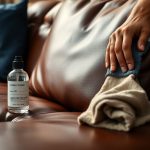


Choosing a sofa cleaning service is not simply a matter of selecting the strongest treatment available. Fabric type, visible marks, odours, cushion construction and everyday use all affect which cleaning approach may be suitable. Understanding these factors can help homeowners, tenants and offices ask better questions and choose professional help without expecting every sofa to respond in exactly the same way.
Why fabric upholstery needs a considered cleaning approach
A sofa is made from more than the fabric visible on its surface. Beneath the cover there may be padding, stitching, zips, webbing and a frame. Moisture, agitation and cleaning products can affect these parts differently. A method that is appropriate for one upholstery fabric may be unsuitable for another, particularly when the material is delicate, colour-sensitive or already showing signs of wear.
Everyday use also changes the cleaning problem. A rarely used formal sofa may mainly need attention for surface dust and occasional marks. A family sofa, office reception seat or frequently used sectional may have accumulated body oils, food residue, dust and odours over a longer period. The right assessment should consider the whole piece rather than focusing only on the most obvious spot.
The main factors that influence sofa cleaning
1. Fabric type and condition
Before any treatment, identify what the upholstery is made from if possible. Cotton, linen, polyester, microfibre, velvet-like materials and blended fabrics can have different responses to moisture and friction. A fabric sofa cleaner will normally need to consider the manufacturer’s care information, the colourfastness of the material and the condition of the seams and surface.
The fabric’s age and current condition matter as well. Fading, thinning, loose threads, previous water marks and damaged stitching may limit the cleaning options. Cleaning cannot reverse every form of wear. If the care label is missing, describing the sofa accurately and sharing photographs before an appointment may help the service provider understand what needs to be assessed.
2. The type of visible mark
Not all marks are the same. A recent spill, an old food stain, an oily patch and a general darkening on the arms may each require a different response. The age of a mark can also affect how it behaves, especially if it has been rubbed into the fibres or treated previously with a household product.
It is useful to tell the cleaner what caused the mark and what has already been applied. This information does not guarantee a particular outcome, but it can prevent unnecessary repetition or the use of an unsuitable product. A professional assessment should distinguish between removable soil, colour change, fibre damage and permanent wear where possible.
3. Odours and their possible source
An odour may come from the surface, from absorbed residue or from the padding beneath the cover. Food, drink, smoke, pets, damp conditions and heavy use can all leave different types of smell. Simply adding fragrance may mask an odour temporarily without addressing the material that holds it.
When discussing a sofa cleaning service, explain whether the smell is localised or present across the entire sofa. Mention when it began and whether it becomes stronger in warm or humid conditions. The source may influence the assessment and the cleaning plan. No provider should promise that every odour will disappear, because the result can depend on the material, depth and cause.
4. How the sofa is used
Usage gives important context. A sofa used every day by children may have a different cleaning requirement from one in a guest room. Offices may need attention for reception seating, meeting-room furniture or frequently handled armrests. Homes with pets may need the cleaner to consider hair, dander and tracked-in soil as well as visible staining.
Tell the provider about the number of cushions, removable covers, reclining mechanisms and areas that receive the most contact. These details can affect preparation and access. They also help set a realistic scope for the appointment instead of treating every part of the sofa as if it has the same level of soiling.
Comparing common upholstery cleaning approaches
There is no single best approach for every fabric sofa. The following comparison describes broad options that may be considered during an upholstery assessment. The actual choice depends on the fabric, care instructions, condition and the nature of the soiling.
| Approach | When it may be considered | Key point to discuss |
|---|---|---|
| Low-moisture cleaning | When limiting moisture is a priority or the fabric requires a more controlled treatment | Ask how the cleaner will manage soil and residue while protecting the upholstery’s condition |
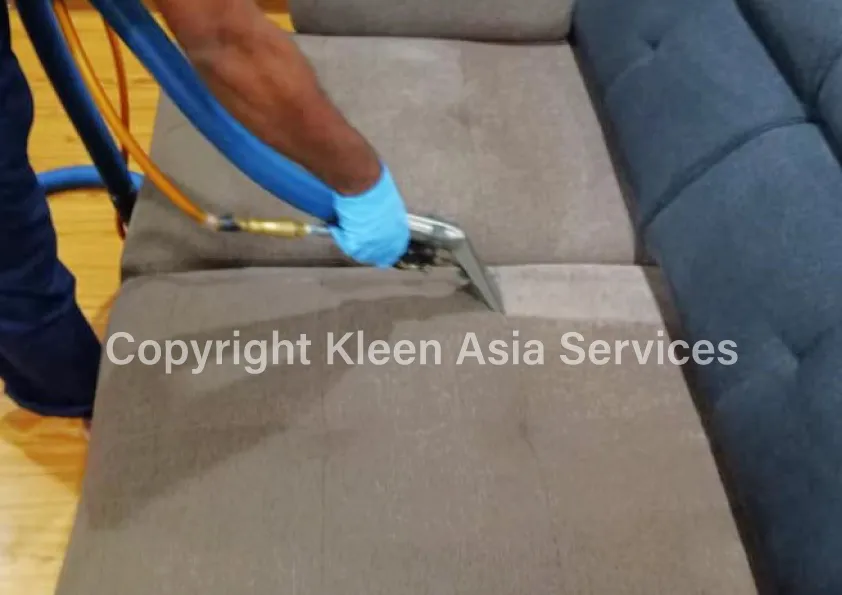
| Moisture-based extraction | When embedded soil or residue needs to be lifted from suitable upholstery | Discuss fabric suitability, moisture control and how the sofa should be cared for afterwards |
| Targeted spot treatment | When a small number of marks need individual attention | Provide details about the spill, its age and any previous home treatment |
| Surface vacuuming and preparation | Before deeper work or when loose dust and debris are the main concern | Confirm whether cushions, crevices and accessible surfaces will be included |
| Odour-focused assessment | When smells are a more significant concern than visible staining | Ask whether the likely source is on the surface or deeper within the sofa |
The purpose of this comparison is not to label one method as universally superior. A strong treatment used on the wrong upholstery can create more concern than a controlled method selected after inspection. A careful provider should be willing to explain why an approach is being considered and what limitations may apply.
When a fabric sofa cleaner may recommend different treatment for different areas
A sofa does not always need one identical treatment from end to end. The seat cushions may be heavily soiled while the back cushions remain comparatively clean. Arms may show darker contact marks, while the front edge may have food or drink stains. Treating these areas according to their condition can be more sensible than applying the same intensity everywhere.
Removable covers also require attention to their construction and care instructions. A cover that can be removed is not automatically suitable for washing at home. Shrinkage, colour transfer and changes in shape may be concerns. Ask whether covers should remain in place and whether the cleaning plan accounts for the cushion filling and underlying structure.
Questions to ask before booking a sofa cleaning service
A short conversation before booking can clarify whether the service is suitable for your sofa. Share the material if known, the approximate age of the furniture, the areas needing attention and any previous cleaning attempts. If you are unsure about the fabric, say so rather than guessing.
- Do you clean the type of fabric used on my sofa?
- Will the upholstery be assessed before treatment begins?
- Should I provide the care label or manufacturer’s instructions?
- How will you approach old stains, oily marks or general discolouration?
- What information do you need about odours and previous cleaning products?
- Are there conditions such as worn fabric, loose stitching or colour sensitivity that may affect the work?
- What preparation is needed around the sofa before the appointment?
These questions are more useful than asking only whether the sofa will be “deep cleaned.” That phrase can mean different things to different providers. Ask what areas are included, what will be assessed and what limitations should be understood before work starts.
How to prepare your sofa for professional cleaning
Clear the surrounding area
Remove loose items from the sofa, including blankets, toys, books and decorative objects. Clear enough space around the furniture for inspection and access. If the sofa has removable cushions, keep them together unless the provider gives different instructions.
Record relevant details
Make a short note of the marks you want discussed. Include what caused them, when they appeared and whether you used detergent, disinfectant, baking soda or another household treatment. Such products can change how a mark looks and how the fabric reacts to further treatment.
Point out delicate or damaged areas
Show any loose seams, torn sections, exposed foam, faded patches or weakened fabric before cleaning. A professional can then consider these conditions when discussing the scope of work. It is better to identify a vulnerable area early than to assume it will behave like an undamaged section.
Why household spot cleaning can make some marks harder to assess
Quick action after a spill can be helpful, but vigorous rubbing may spread the mark or push residue deeper into the fibres. Strong household cleaners can also leave a ring, alter the colour or create a patch that looks different from the original stain. When the cause is unknown, repeated experimentation may make the fabric more difficult to evaluate.
For a fresh spill, gently remove excess liquid with a clean absorbent cloth rather than scrubbing. Do not apply heat or a new chemical treatment without checking the upholstery instructions. If the mark remains, tell the sofa cleaning service exactly what happened and what has been tried.
What realistic expectations look like
Professional cleaning can address accumulated soil and improve the condition of many upholstered furnishings, but the final result depends on several variables. A mark may have altered the dye, damaged the fibre or affected the padding. Sun fading, permanent wear and fabric distortion are not the same as removable dirt.
Odours can also have different causes. If the source is deep in the padding or connected to an ongoing issue, surface cleaning alone may not resolve it fully. A responsible discussion should separate what the cleaning is intended to address from outcomes that cannot be promised in advance.
The most suitable sofa cleaning plan is the one that matches the upholstery’s material, condition and actual cleaning need—not simply the most intensive-sounding option.
Choosing a sofa cleaning service for homes and offices
For homes in Kuala Lumpur and Selangor, a professional upholstery service may be useful when a sofa has accumulated visible soil, food residue or persistent odours, or when routine vacuuming is no longer enough for the level of use. Tenants may also want an assessment before moving out, while families may prefer to discuss frequently used seating and recurring spills.
Offices should consider the number of seats, the type of upholstery and the areas receiving the most contact. Reception sofas and shared seating may need a different discussion from occasional meeting-room furniture. In either setting, provide clear information about access, fabric type and the main concern so the provider can explain the appropriate scope.
Kleen Asia Carpet Cleaning & Upholstery Cleaning provides sofa and upholstery cleaning services for customers in Kuala Lumpur and Selangor. The company also offers carpet, mattress, curtain and rug cleaning services for homes and offices. Contact the business for specific details about the fabric sofa cleaning approach suitable for your furniture.
Frequently asked questions
Is a sofa cleaning service suitable for every fabric?
Not necessarily. Suitability depends on the fabric, care instructions, colour stability, age and condition of the sofa. Ask for an assessment before treatment, especially if the material is delicate or the care label is unavailable.
Can a fabric sofa cleaner remove every stain?
No cleaning provider can responsibly guarantee removal of every stain. Results may be affected by the stain’s cause, age, previous treatments, fibre damage and colour changes. Discuss the mark and its history before work begins.
Should I clean a sofa as soon as there is a spill?
Remove excess liquid gently with a clean absorbent cloth and avoid vigorous rubbing. Check the care instructions before applying a product. If the mark remains, explain what happened and what you used when arranging professional cleaning.
Does professional sofa cleaning remove odours?
It may help address odour-related residue, but the outcome depends on the cause and how deeply it has entered the upholstery or padding. A provider should assess the source rather than promise a specific result.
Should removable sofa covers be washed at home?
Not automatically. Removable covers may still have care requirements related to shrinkage, colour transfer, shape or the cushion filling. Follow the manufacturer’s instructions and ask the cleaning provider before washing them.
What information should I give a sofa cleaning service?
Share the fabric type if known, the sofa’s approximate age, the affected areas, the cause and age of stains, any odours, previous cleaning attempts and visible damage. These details help the provider discuss a suitable approach and its limitations.