What Makes a Reliable Carpet Cleaning Company? 7 Shocking Secrets the Industry Doesn’t Want You to Know
I. Introduction: Why Choosing the Wrong Carpet Cleaning Company Can Cost You More Than You Think
Let me tell you something that happened to a friend of mine a few years ago. She hired a carpet cleaning company she found through facebook advertisement. The price looked great — something like RM2.50 per sf.. When the technician left, her carpets were soaking wet, smelled slightly musty within a few days, and started developing dark spots along the edges about two weeks later. What she thought was a bargain turned into a mold remediation bill that cost her several hundred dollars. The carpet cleaning company? Unreachable.
That story is not unusual. In fact, it plays out in homes across the country every single week.
The Hidden Risks of Hiring an Unverified Carpet Cleaning Company
Most people treat carpet cleaning as a simple home maintenance task — something you schedule, someone comes in, sprays some stuff, runs a machine over your floors, and everything looks cleaner. The reality is more complicated than that. The wrong company can:
- Leave behind moisture that creates the ideal conditions for mold growth under your carpet padding
- Use cleaning solutions that break down carpet fibers over time, shortening the life of a carpet that should last fifteen or twenty years
- Send technicians into your home who have had little to no formal training and are not covered by any insurance
- Charge you three to five times the quoted price once they are already inside your home
None of this is rare. It is, unfortunately, fairly common — and it happens because most homeowners do not know what questions to ask or what warning signs to look for.
How Misleading Advertising Leaves Homeowners Confused and Overcharged
The carpet cleaning industry runs on confusion. Low prices grab attention. Vague phrases like “deep cleaning,” “professional-grade equipment,” and “eco-safe solutions” sound reassuring but mean almost nothing without context. A company can legally say almost anything in an advertisement because there is no single governing body policing how carpet cleaning services are described to the public.
That gap between what is promised in the ad and what actually happens in your home is where most of the problems begin.
What This Article Covers and What You Will Walk Away Knowing
This article goes through seven areas where carpet cleaning companies routinely fall short — and where they are counting on your ignorance to make more money or deliver less than what you are paying for. By the time you finish reading, you will know:
- What cleaning methods actually work and why
- How to spot a bait-and-switch pricing scheme before it catches you off guard
- Which certifications and insurance policies actually matter
- How to evaluate the chemicals being used in your home
- What questions to ask about technician training and accountability
- Why drying time is often rushed and what that costs you
- How a company’s honesty about its own limitations is actually its biggest selling point
II. Secret #1 — Not All Carpet Cleaning Methods Are Equal, and Companies Count on You Not Knowing the Difference
Steam Cleaning vs. Dry Cleaning vs. Shampooing: What Actually Works
The phrase “carpet cleaning” gets used as if it describes one single process. It does not. There are several distinct methods, and the differences between them are significant.
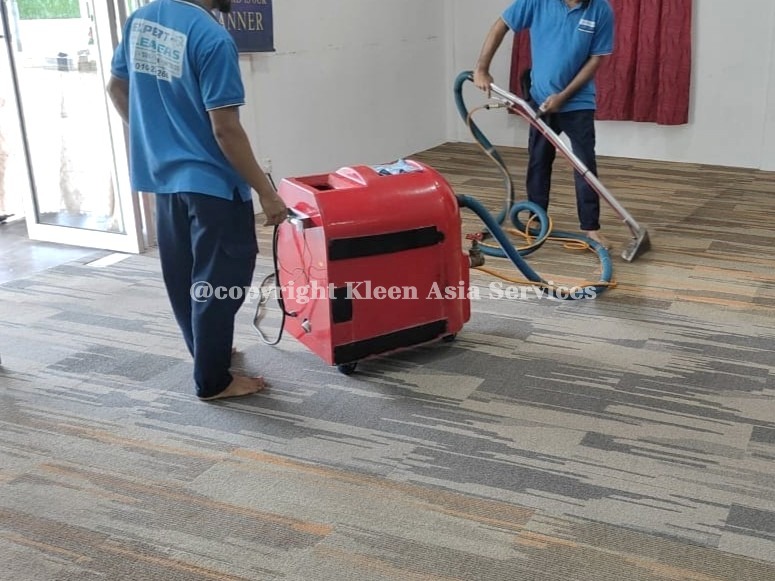
Hot water extraction, commonly called steam cleaning, is widely considered the most effective method for deep cleaning carpets. Despite the name, it does not actually use steam. It injects hot water mixed with a cleaning solution into the carpet fibers under pressure, then immediately extracts it along with the loosened dirt, allergens, and debris. When done correctly with properly maintained equipment, it gets deep into the carpet pile and removes contaminants that surface methods cannot reach. The Institute of Inspection Cleaning and Restoration Certification (IICRC), which is the primary professional standards body in this industry, recommends hot water extraction as the preferred method for most carpet types.
Dry cleaning is marketed heavily as a faster, more convenient alternative because it requires little to no drying time. The reality is that most dry cleaning methods use a small amount of moisture along with chemical compounds or absorbent powders. These products are worked into the carpet and then vacuumed out. They can be effective for light surface soil and maintenance cleaning, but they rarely reach the deeper layers of the carpet where allergens, bacteria, and ground-in dirt actually live. Some dry cleaning compounds also leave a residue behind that acts like a magnet for new dirt — meaning your carpet may look clean for a week and then re-soil faster than it normally would.
Shampooing is largely an older method that involves applying a foamy cleaning product to the carpet and scrubbing it with a rotary machine. The foam traps dirt, dries, and is then vacuumed up. Like dry cleaning, this method can produce decent-looking results on the surface but often leaves sticky residue behind. This method has mostly been replaced by better alternatives, but some companies still use it, particularly on low-end jobs.
The method used on your carpet matters as much as whether the carpet gets cleaned at all. Using the wrong method on the wrong carpet type can leave you worse off than before.
How Companies Use Confusing Terminology to Upsell You
Here is a phrase you will hear a lot: “deep cleaning.” It sounds meaningful. It sounds thorough. But on its own, it does not tell you anything about what will actually happen to your carpet.
A company might advertise a “deep clean” and then arrive with a portable machine that barely penetrates past the surface of the pile. Another company might use the same phrase and arrive with a powerful truck-mounted hot water extraction unit that genuinely cleans down to the backing. Same words, completely different outcomes.
Other terms that get used without any standardized meaning include:
- “Professional-grade” — This simply means the product or equipment is marketed toward professionals. It says nothing about quality, effectiveness, or safety.
- “Sanitizing” or “deodorizing” — These are often upsells that get added to your bill after you have already agreed to the base service. Whether they are needed depends entirely on your situation.
- “Hot steam” — Many companies use this phrase to suggest they are using a more powerful method than they actually are. Real hot water extraction is often falsely labeled as “hot steam cleaning.”
Before booking, ask directly: “What specific cleaning method will you use on my carpet?” If the answer is vague, that is a problem. A reliable company will give you a straightforward answer.
The Long-Term Damage Caused by the Wrong Cleaning Method
The consequences of repeated wrong-method cleaning go beyond a temporary dirty carpet. Here is what can happen over time:
Over-wetting is one of the most common problems caused by inexperienced technicians or low-quality equipment. When too much moisture is left in the carpet and padding, it cannot evaporate quickly enough. Mold and mildew can begin developing within 24 to 48 hours in the right conditions. By the time you notice a smell or see discoloration, the problem is often already severe.
Chemical degradation is slower but just as damaging. Certain cleaning agents — particularly highly alkaline ones applied repeatedly over time — can break down the fibers in synthetic carpets and strip the color from natural fiber rugs. A carpet that might have lasted twenty years with proper care can look worn and faded after five years of improper cleaning.
Warranty issues are something most homeowners never think about until it is too late. Many carpet manufacturers include specific cleaning requirements in their warranty terms. Using a method that is not approved by the manufacturer — or using uncertified technicians — can void your warranty entirely. If you have a fairly new carpet and something goes wrong, the first thing the manufacturer will ask is how it has been cleaned and by whom.
III. Secret #2 — Low Price Quotes Are Designed to Get Through Your Door, Not Reflect the Final Bill
How the “Bait and Switch” Pricing Model Works in the Carpet Cleaning Industry
Let’s say you see an ad: “Affordable carpet cleaning for rugs— RM2.50 per sf.” That price is almost certainly designed to do one thing — get a technician standing in your home. Once they are there, the real pricing begins.
Here is how the typical sequence goes:
- The technician arrives and walks through your carpet
- They point out that your carpets have heavy soil, pet stains, or odors — real or exaggerated — that require “special treatment”
- They explain that the advertised price only covers “basic surface cleaning” and that a proper clean will require pre-treatment, a deodorizer, a stain protector application, and possibly a second pass
- Each of those add-ons carries a separate charge, often adding RM50 to RM100 or more per item
What started as a RM70 job is now RM150 to RM200 before you have agreed to anything you actually planned to pay for.
Real examples of this kind of pricing escalation are not hard to find. Consumer protection agencies and watchdog organizations have documented cases where advertised prices of RM70 to $100 per carpet turned into final invoices of RM200 to RM300 or more for a standard carpet. The technician knows that once they are in your home with their equipment, most people feel pressure to say yes to avoid the hassle of sending them away.
Understanding Transparent Pricing and What It Should Look Like
An honest company provides a quote that tells you exactly what you are getting for the price stated. A reliable quote should include:
- The specific cleaning method to be used
- The number of rooms or square footage covered
- What is and is not included in the base price
- Any optional services, listed separately with their individual costs
- A total figure that represents the maximum you should pay if nothing unexpected comes up
When comparing quotes from multiple companies, make sure you are comparing the same things. A quote for basic shampooing cannot be compared fairly to a quote for full hot water extraction. Get each company to specify the method, and then compare on that basis.
Red flags in pricing language to watch for:
- “Starting at” — This phrase signals that the quoted price is a floor, not an estimate
- “Depends on condition” without any defined criteria
- Prices listed per room without any definition of what counts as a room or how large a room can be
- No written documentation at the time of the quote
How to Protect Yourself Financially Before Signing Any Agreement
The single most important thing you can do before any carpet cleaning work begins is get everything in writing. A verbal quote means nothing if a dispute arises. A written quote, especially one that includes the scope of work and total price, gives you a document you can reference.
Before any technician begins work, confirm:
- The exact services being performed
- The total cost, including any add-ons you have agreed to
- The payment method and when payment is expected
- What happens if you are not satisfied with the results
Cancellation and refund policies should be stated in any agreement. A reliable company will not penalize you for canceling within a reasonable time frame and will have a clear process for addressing complaints or requesting a re-clean.
If a company adds charges after completing the work that you did not agree to in advance, you have the right to dispute them. Start by referring back to any written documentation. If the company refuses to honor the original quote, you can file a complaint with your state’s consumer protection office or dispute the charge with your credit card company if you paid that way — which is always a good idea precisely for this reason.
IV. Secret #3 — Certifications and Insurance Matter More Than a Company’s Online Star Rating
What Industry Certifications Actually Mean and Which Ones Matter
The most widely recognized certification in the carpet cleaning industry comes from the Institute of Inspection Cleaning and Restoration Certification, known as the IICRC. This is a nonprofit, standards-developing organization that sets procedures for cleaning, inspection, and restoration work. When a company or technician holds an IICRC certification, it means they have completed structured training, passed an exam, and agreed to a code of ethics.
Common IICRC certifications relevant to carpet cleaning include:
- CCT (Carpet Cleaning Technician) — Covers the fundamentals of carpet cleaning methods, fiber identification, and soil removal
- ASD (Applied Structural Drying) — Relevant for water damage situations and proper drying techniques
- OCT (Odor Control Technician) — Specific to identifying and treating odor problems in carpets and other surfaces
To verify a company’s certification independently, go directly to the IICRC website (iicrc.org) and use their online search tool to look up the company by name. Do not accept a logo on a website as proof — logos can be copied and displayed without any valid current certification behind them.
One-time credentials mean less than ongoing training. The cleaning industry evolves. A technician who got certified ten years ago and has done nothing since knows less than someone who has kept their training current.
Why Liability Insurance and Worker’s Compensation Are Non-Negotiable
This is the part that most homeowners overlook completely, and it can have serious legal and financial consequences.
If a carpet cleaning technician is injured in your home and the company does not carry worker’s compensation insurance, you could potentially be held liable for their medical costs and lost wages. That is not a theoretical risk — it is a real one that homeowners have faced.
Liability insurance protects you in a different way. If a technician damages your carpet, furniture, or anything else in your home, the company’s liability policy is what pays for the repair or replacement. Without it, collecting any compensation requires taking the company to court — assuming you can even locate them.
Before allowing anyone into your home, ask:
- “Do you carry general liability insurance? What are your coverage limits?”
- “Do you carry worker’s compensation insurance for your employees?”
- “Can you provide proof of both before we schedule?”
A reputable company will have no hesitation providing this information. If a company is evasive about insurance, treat that as a serious warning sign.
Why Online Reviews Can Be Misleading and What to Look for Instead
Online reviews have become one of the primary ways people choose service providers. They are also one of the most easily manipulated sources of information available.
Review manipulation in the service industry is widespread. Some companies:
- Purchase fake five-star reviews from review mills
- Incentivize satisfied customers to leave reviews while discouraging unhappy ones
- Flag and report legitimate negative reviews until the platform removes them
- Create multiple business listings under slightly different names to dilute bad feedback
What makes a review more trustworthy:
- It comes from a verified platform like Google, Yelp, or the Better Business Bureau that has some verification process in place
- It includes specific details about the job, not just generic praise
- The reviewer has a history of reviews for other businesses, not just one single review ever written
More reliable ways to check a company’s track record include:
- Better Business Bureau (BBB) — Look at their rating and, more importantly, read the complaints and how the company responded
- Your state’s contractor licensing board — Some states require carpet cleaners to be licensed
- Angi (formerly Angie’s List) and HomeAdvisor — These platforms have their own screening and verification processes
- Asking your neighbors or local community groups — Word-of-mouth from people whose judgment you already trust is still one of the most reliable sources
V. Secret #4 — The Cleaning Products Used in Your Home May Affect Your Health and Your Carpet’s Lifespan
Common Chemicals Found in Carpet Cleaning Solutions and Their Risks
Most standard carpet cleaning solutions contain a mix of surfactants, solvents, brightening agents, and sometimes antimicrobials or fragrances. Many of these work well at removing soil. Some of them come with risks that are worth knowing about.
Perchloroethylene (perc) is used in some dry cleaning processes and is classified as a possible human carcinogen by the EPA. It can linger in indoor air for extended periods after application.
Naphthalene appears in some carpet cleaning sprays and is associated with respiratory irritation, headaches, and with longer exposure, more serious health concerns.
Optical brighteners make carpets look cleaner by reflecting light, but they are essentially a cosmetic trick. They do not clean anything and can leave behind a residue that attracts soil.
Fragrances in cleaning products are often a blend of many different chemical compounds, any number of which can trigger reactions in people with sensitivities or asthma.
Perhaps more practically, many carpet cleaning solutions leave a slightly sticky residue if they are not fully rinsed out during the extraction process. That residue acts like a trap for dust, pet dander, and tracked-in soil. Carpets cleaned with these products often look dirty again within a few weeks — not because your household is particularly messy, but because the cleaning process itself set up conditions for faster re-soiling.
Safe Alternatives and How to Ask for Them Without Getting Upsold
There are genuinely effective plant-based and low-chemical cleaning formulations available to professional carpet cleaners. Companies that use them are not unicorns — they exist in most markets. The challenge is knowing how to ask and how to tell real from marketing.
When contacting a company, ask directly: “Can you provide a list of the specific products you use, including the brand names and the safety data sheets?” A company that uses genuinely safer products will have this information readily available and will be glad to share it. A company that becomes vague or defensive about product information is a company worth being cautious about.
If a company offers an “eco upgrade” or a “green cleaning option” as an add-on with a significant upcharge, ask them why their standard service does not use safer products. The answer will be revealing.
“Eco-friendly” and “green” on a label mean very little without specifics. The terms are not regulated in the cleaning industry. Always ask for the actual product name and look it up yourself.
Special Considerations for Homes With Children, Pets, or Allergy Sufferers
If your household includes young children, pets, or anyone with asthma, allergies, or respiratory sensitivities, the products used in your home matter more than they might for the average household.
Some things to discuss with any company before booking:
- How long should the space be ventilated before re-entry? Some cleaning agents off-gas into the air for several hours after application. A responsible company will give you a specific recommendation, not a vague “it should be fine.”
- When is it safe for pets to return to the area? Dogs and cats walk on carpets and then groom themselves. Residual chemicals on carpet fibers can be ingested.
- What is the recommended drying time before children can play on the floor? Small children spend more time in contact with floor surfaces than adults do, and their developing systems are more vulnerable to chemical exposure.
A company that dismisses these questions or gives you generic reassurances without any specific information is not a company that takes these concerns seriously. A reliable company will adjust its product selection and process based on the actual needs of your household.
VI. Secret #5 — Technician Training and Accountability Are Rarely What Companies Advertise
The Difference Between a Trained Technician and Someone Who Watched a One-Hour Video
The carpet cleaning industry has a training problem. Unlike electricians, plumbers, or HVAC technicians, carpet cleaners are not required to hold a license in most states. In practice, this means that the minimum bar for sending someone into your home with a cleaning machine is extremely low.
Some companies invest in proper training through programs like IICRC certification courses. Many do not. It is entirely possible — and more common than people realize — for a company to hire someone, run them through a few hours of in-house demonstration, and then send them out to paying customers.
The consequences of undertrained technicians include:
- Over-wetting carpets by not calibrating water pressure and extraction settings correctly
- Using the wrong cleaning solution for the carpet fiber type, causing fading or damage
- Missing heavily soiled areas because they do not know how to properly pre-treat
- Failing to protect furniture legs during cleaning, leading to rust stains or wood tannin transfer onto light carpets
Many companies also use subcontractors rather than direct employees. This is not automatically a problem, but it does create an accountability gap. A subcontractor may be working under the company’s name without any direct oversight, using their own equipment, and operating according to their own shortcuts.
When calling to book, ask: “Are the technicians who will come to my home your direct employees, or do you use subcontractors?” Follow up with: “What training have they completed, and are any of them IICRC certified?”
How High Technician Turnover Affects the Quality and Consistency of Service
This is something the industry rarely talks about openly. Carpet cleaning is physically demanding work. Pay is often low. Benefits are uncommon. As a result, many companies — particularly budget operations — cycle through employees quickly.
High turnover creates a consistency problem. If you found a company that did excellent work on your first appointment, there is no guarantee the same technician will return for your next one. The next person who shows up may have been hired three weeks ago and is still learning on the job.
When a technician arrives at your home, some signs that indicate a well-trained professional include:
- They conduct a walk-through before beginning any work and ask you about specific concerns
- They identify your carpet fiber type and explain the method they will use
- They move furniture carefully and protect baseboards and furniture legs
- They check moisture levels after cleaning to confirm the carpet is drying properly
- They explain what you should do and avoid during the drying period before they leave
How to Hold a Company Accountable When the Work Does Not Meet Expectations
Even good companies occasionally do work that falls below what was promised. What separates a reliable company from an unreliable one is what happens next.
A reliable company’s complaint process should include:
- A direct and easy-to-reach contact point for complaints — not just a general voicemail or email form
- A response within 24 to 48 hours acknowledging your concern
- An offer to return and assess the problem in person
- A willingness to re-clean at no charge or provide some form of compensation if the problem was their fault
Before booking, ask: “What is your process if I am not satisfied with the results?” A vague answer like “we always make it right” is less reassuring than a specific one like “we have a 30-day satisfaction guarantee and will return for a re-clean at no additional cost.”
If a company dismisses your complaint or stops responding, you have several options:
- File a complaint with the Better Business Bureau
- Contact your state’s consumer protection office
- Dispute the charge with your credit card company
- Leave an honest and detailed review on a verified platform
VII. Secret #6 — Drying Time and Post-Cleaning Care Are Where Most Companies Cut Corners
Why Proper Drying Time Is Critical and What Happens When It Is Rushed
Drying time is, in my opinion, the most overlooked aspect of carpet cleaning — and the place where corners get cut most often because customers do not see the consequences until days or weeks later.
When carpets are not dried adequately after hot water extraction, the moisture that remains in the padding and backing creates ideal conditions for mold and bacteria. You might not see the mold — it grows beneath the surface — but you will eventually smell it. And once mold takes hold in carpet padding, the remediation cost almost always exceeds the value of saving the carpet.
The relationship between moisture and carpet health is direct:
- Excess moisture accelerates the breakdown of the adhesive used in carpet backing
- It can cause dye migration, where colors from the carpet’s design bleed into adjacent areas
- It creates a humid microenvironment beneath the carpet that, in warm conditions, can support mold growth within 24 to 48 hours
Industry standards from the IICRC suggest that carpets should be dry to the touch within six to eight hours under normal conditions. Achieving that standard requires equipment with sufficient extraction power and, ideally, good airflow in the home during drying.
What Responsible Post-Cleaning Instructions Should Include
When a technician completes a job and prepares to leave, they should give you a specific set of post-cleaning instructions — not just a “let it dry” comment on the way out the door.
Responsible post-cleaning guidance should cover:
- Ventilation — Open windows and run fans or your HVAC system to encourage air movement. This shortens drying time significantly.
- Foot traffic — Avoid walking on cleaned carpets until they are dry, or wear clean, dry socks if you must. Wet carpet fibers are more vulnerable to compression and re-soiling.
- Furniture — Keep furniture off the carpet until it is fully dry. If furniture must be replaced before drying is complete, place foil or plastic tabs under the legs to prevent rust stains or tannin transfer.
- Pets and children — As discussed in the earlier section, keep vulnerable household members off cleaned carpets for the full drying period and for any additional time recommended based on the products used.
Warning signs after a cleaning job that suggest something was not done correctly:
- A musty or sour smell developing within a day or two
- White, chalky residue appearing on the carpet surface as it dries (this often indicates poor rinsing)
- Dark spots appearing along the walls or in traffic areas (this is often soil wicking up from the backing as it dries)
- Carpet feeling stiff or crunchy rather than soft after drying
Equipment Quality and Its Direct Impact on Drying Speed and Cleaning Results
Not all carpet cleaning equipment is the same, and the gap between professional-grade truck-mounted systems and portable consumer-grade machines is substantial.
Truck-mounted systems draw power directly from a vehicle’s engine, which means they can generate far more heat and suction than any portable unit. Higher heat means more effective cleaning action. Higher suction means more water is extracted from the carpet, which means shorter drying times. A quality truck-mounted system can leave carpets feeling slightly damp rather than saturated.
Portable units are smaller machines that run on electricity from a standard outlet. They have legitimate uses — in high-rise buildings where a truck cannot reach, for example — but they generally cannot match the heat and suction power of truck-mounted equipment. Some companies use portable units as their primary equipment to reduce costs and pass the cleaning off as full-service.
Before scheduling, ask:
- “Do you use truck-mounted or portable equipment?”
- “What is the typical drying time you see with your equipment under normal conditions?”
- “Do you use any supplemental air movers or fans to assist with drying?”
If a company cannot answer these questions clearly, that tells you something important about how well they understand their own process.
VIII. Secret #7 — A Company’s Willingness to Walk Away From a Bad Job Tells You Everything About Their Integrity
How Reliable Companies Handle Situations Where They Cannot Guarantee Results
This is something I find genuinely admirable when I see it in a service business: the willingness to say “we may not be able to fix this.”
Not every stain is removable. Not every carpet that looks dirty is actually cleanable to a condition that will satisfy the homeowner. Some stains — those involving certain dyes, bleach reactions, pet urine that has bonded deeply with the fibers, or damage that looks like a stain but is actually physical wear — cannot be cleaned away. They are permanent.
An honest company will tell you this upfront, during a pre-inspection or at least before beginning work. They will explain what they can and cannot reasonably achieve, and they will give you a realistic picture of the outcome so you can decide whether the cleaning is worth the cost.
A company that promises to remove “any stain” or guarantees results that are not realistically achievable is not being confident — they are being dishonest. They are setting you up to pay for a service that will not deliver what was implied.
When a company tells you what they cannot do, it makes everything they say they can do much easier to believe.
The Role of Pre-Inspection in Separating Reliable Companies From Unreliable Ones
A thorough pre-cleaning inspection is one of the clearest indicators of a professional operation. Here is what a proper pre-inspection should involve:
- Identifying the carpet fiber type (nylon, polyester, wool, etc.) to determine the appropriate cleaning method and products
- Noting pre-existing damage, stains, or worn areas before any work begins
- Documenting any concerns in writing so there is no dispute afterward about what condition the carpet was in before cleaning
- Discussing specific concerns the homeowner has — particular stains, high-traffic areas, odor problems — and setting realistic expectations about what can be addressed
- Confirming that the quoted price reflects the actual scope of work needed
A company that shows up, gives the carpet a quick look from a standing position, and immediately starts pulling equipment off the truck has skipped the inspection entirely. This sets the stage for problems: damage that the company later claims was pre-existing, stains that were never realistically treatable being charged for anyway, and no documentation to resolve disputes.
Use the pre-inspection as a test. A company that takes it seriously is demonstrating professional discipline before they have even turned on the machine.
Guarantees, Follow-Up Visits, and What Real Customer Care Looks Like After the Job
A satisfaction guarantee sounds good on a website. What matters is what it actually covers and what happens when you try to use it.
A reliable satisfaction guarantee should specify:
- The time frame in which a concern must be reported (typically 5 to 14 days is reasonable)
- What the company will do if you are not satisfied — specifically, will they re-clean, offer a refund, or a credit toward future service?
- Any exclusions — conditions or stain types that are not covered by the guarantee, which is reasonable as long as those exclusions are disclosed upfront
Follow-up communication is another meaningful indicator of how a company values its customers. A company that sends a brief message after the job to ask whether you were satisfied — not to push a review, but genuinely to check in — is a company that understands its business depends on your continued trust.
The clearest single sign of a truly reliable company is this: if something was not right, they come back and fix it at no charge. No argument, no deflection, no blame placed on your carpet or your home’s conditions. They return, they assess, and they make it right. That kind of commitment is not common. When you find it, it is worth staying with.
IX. Summary: What a Truly Reliable Carpet Cleaning Company Looks Like in Practice
Recap of the Seven Key Areas Where Carpet Cleaning Companies Commonly Fall Short
Going back through everything covered in this article:
- Cleaning method — Many companies use surface-level methods while charging for deep cleaning. Hot water extraction is the standard for thorough results.
- Pricing — Low advertised prices are frequently a starting point, not a final number. Transparent companies provide written, itemized quotes.
- Certifications and insurance — IICRC certification and verifiable liability and worker’s compensation insurance are not optional extras; they are basic requirements.
- Cleaning products — Chemicals used in your home can affect your health, your carpet’s lifespan, and how quickly it re-soils. Ask specifically what will be used.
- Technician training — Minimum training standards in this industry are low. Ask about certifications, direct employment, and subcontractor use.
- Drying time — Rushed drying causes long-term damage. Good equipment, adequate extraction, and proper post-cleaning instructions all matter.
- Honesty and integrity — Companies that set realistic expectations, conduct proper pre-inspections, and stand behind their work with genuine guarantees are the ones worth hiring.
A Practical Checklist of Questions Every Homeowner Should Ask Before Hiring Any Company
- What specific cleaning method will you use on my carpets?
- Can you provide a written, itemized quote before work begins?
- Are you IICRC certified? Can I verify that certification independently?
- Do you carry general liability and worker’s compensation insurance? Can you provide proof?
- What products will you use, and can you provide safety data sheets?
- Are your technicians direct employees or subcontractors?
- What is your process if I am not satisfied with the results?
- What is the expected drying time with your equipment?
- Do you conduct a pre-inspection before beginning work?
- What does your satisfaction guarantee specifically cover?
The Bottom Line on What Separates a Trustworthy Company From One That Simply Looks Good on the Surface
A reliable carpet cleaning company is not necessarily the one with the most reviews, the lowest price, or the most polished website. It is the one that can answer specific questions clearly, backs up its claims with verifiable documentation, treats your home with care, and takes responsibility when something does not go as planned.
You are inviting people into your home, trusting them to care for your property, and paying real money for a service that has real consequences if done poorly. You deserve a company that takes that seriously — and now you know exactly what to look for to find one.
X. Frequently Asked Questions (FAQs)
How Often Should I Have My Carpets Professionally Cleaned?
The IICRC recommends professional cleaning every 12 to 18 months for most households. Homes with pets, children, heavy foot traffic, or residents with allergies may benefit from cleaning every 6 to 12 months. Some carpet manufacturers also specify cleaning frequency in their warranty terms, so it is worth checking your carpet’s documentation.
What Is the Most Effective Carpet Cleaning Method for Homes With Pets?
Hot water extraction is generally the best option for pet households. It penetrates deep into the carpet pile where pet dander, hair, and odor-causing bacteria accumulate. For urine odors specifically, an enzyme-based pre-treatment applied before extraction is often necessary to break down the compounds causing the smell. Surface methods like dry cleaning rarely address pet odors at a meaningful level.
How Do I Verify That a Carpet Cleaning Company Is Properly Certified and Insured?
For IICRC certification, visit iicrc.org and use the “Find a Professional” search tool to look up the company directly. For insurance, ask the company to provide a current certificate of insurance before scheduling. The certificate should name you as a certificate holder and show current coverage dates, coverage limits, and the type of coverage carried. If they hesitate to provide this, walk away.
What Should I Do If My Carpet Looks Worse After a Professional Cleaning?
Contact the company immediately and describe the specific problem — whether it is re-appearing stains, new discoloration, residue, or a smell. Document the problem with photographs. A reputable company will schedule a return visit to assess the issue. If the problem is soil wicking (stains reappearing from beneath the carpet as it dried), a competent technician can often address this with a re-clean. If the company refuses to respond or dismisses your concern, file a complaint with the BBB and your state’s consumer protection office.
Are “Green” or Eco-Friendly Carpet Cleaning Services Genuinely Safer?
Sometimes, but not always. The terms “green” and “eco-friendly” are not regulated in the cleaning industry, which means any company can use them regardless of what is actually in their products. Genuinely safer products tend to be plant-based, pH-neutral or close to it, and free from harsh solvents and optical brighteners. Ask for specific product names and look them up using the EPA’s Safer Choice database or the Environmental Working Group’s cleaning product database to verify the claims.
How Long Should I Wait Before Walking on My Carpet After It Has Been Cleaned?
Carpets cleaned with hot water extraction typically need six to eight hours to dry under normal conditions — good ventilation, moderate temperatures, and low humidity. In less ideal conditions, drying can take up to 24 hours. If you must walk on the carpet before it is fully dry, wear clean, dry socks rather than bare feet or shoes. Running fans and keeping the home well-ventilated significantly speeds up the drying process.
Is a Written Quote Legally Binding If a Company Tries to Charge More Afterward?
In most cases, yes — a written quote that you have accepted constitutes a contract. If a company attempts to charge more than the agreed written price without your prior authorization, you have grounds to dispute the additional charges. Start by referring them back to the written quote. If they persist, you can dispute the charge with your credit card company (which is one reason to always pay by card rather than cash), file a complaint with your state’s consumer protection office, or pursue the matter through small claims court for amounts within that court’s jurisdiction.
What Are the Warning Signs That a Carpet Cleaning Company Is Not Reputable?
- Extremely low advertised prices with no itemized breakdown
- Reluctance or refusal to provide a written quote before work begins
- Inability or unwillingness to provide proof of insurance and certification
- Vague answers to direct questions about cleaning methods and products
- High-pressure upselling once inside your home
- No pre-inspection before beginning work
- Technicians who cannot explain what they are doing or why
- No clear satisfaction guarantee or complaint process
- Prices that differ significantly from the quote without your prior agreement
- Difficulty reaching the company by phone or email before or after the job